Viewer Polls Reshaping Story Arcs Across Niche Esports Competitions
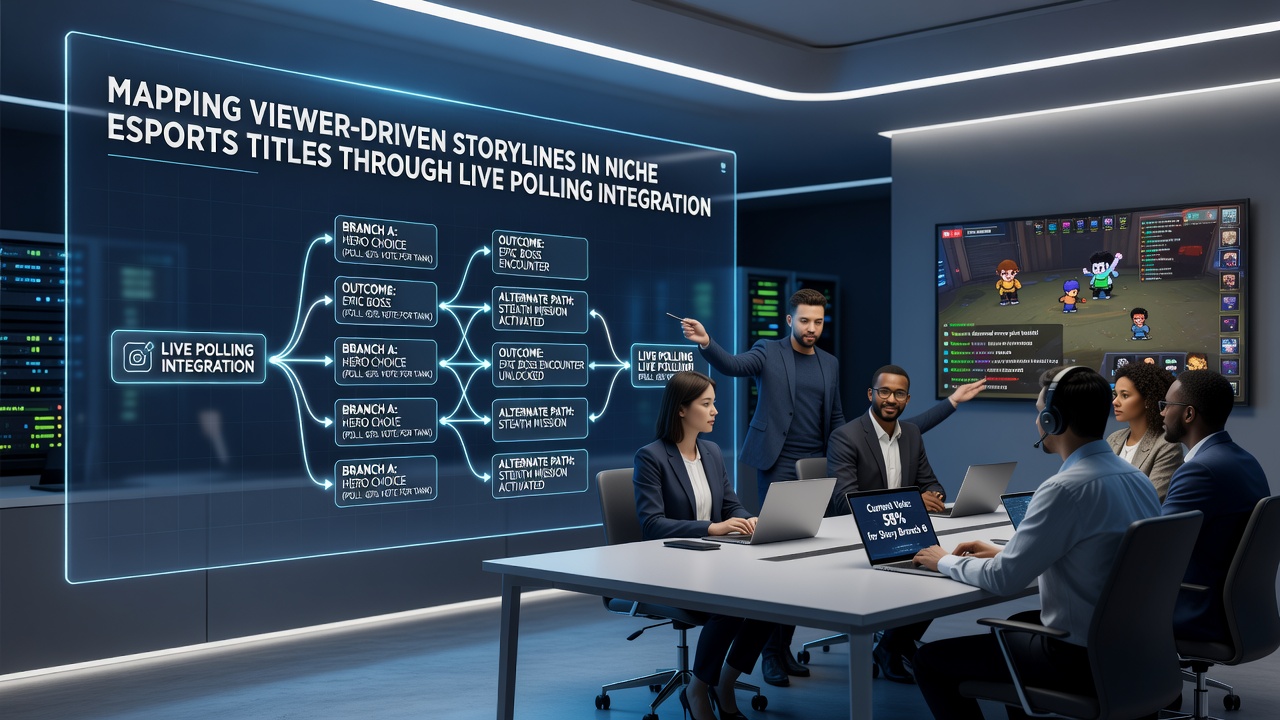
Live polling tools now allow audiences to select branching narrative paths in smaller-scale esports titles where developers embed choice mechanics directly into competitive formats. Data from events held through July 2026 shows platforms integrating these systems report measurable shifts in match duration and viewer retention metrics compared to standard broadcast models.
Technical Foundations of Polling Integration
Developers embed polling modules into game clients that sync with streaming overlays through APIs, and these modules capture votes during designated decision windows that last between 30 and 90 seconds. Streamers activate the polls via custom scripts that pause core gameplay loops while presenting options such as character upgrades, map alterations, or objective priorities to the audience. According to figures released by the Esports Research Network, adoption of these modules increased by 28 percent among titles with fewer than 500,000 active monthly players between 2024 and 2026.
Backend servers process vote tallies in real time and push results back into the game engine within milliseconds, while synchronization protocols ensure latency remains under 200 milliseconds for most North American and European servers. Observers note that niche titles like certain roguelike arena fighters and story-driven battle simulators rely on this architecture because their smaller developer teams can iterate on narrative branches without rebuilding entire matchmaking systems.
Viewer Influence on Competitive Outcomes
Audiences in these environments vote on elements that directly alter win conditions, such as resource spawns or rule modifications for the next round. One documented case involved a 2026 summer tournament series where viewers chose between aggressive or defensive faction alignments, and the selected alignment changed team compositions mid-event. Research indicates these choices create emergent storylines that extend beyond single matches and carry forward across weekly broadcasts when persistent world states are enabled.
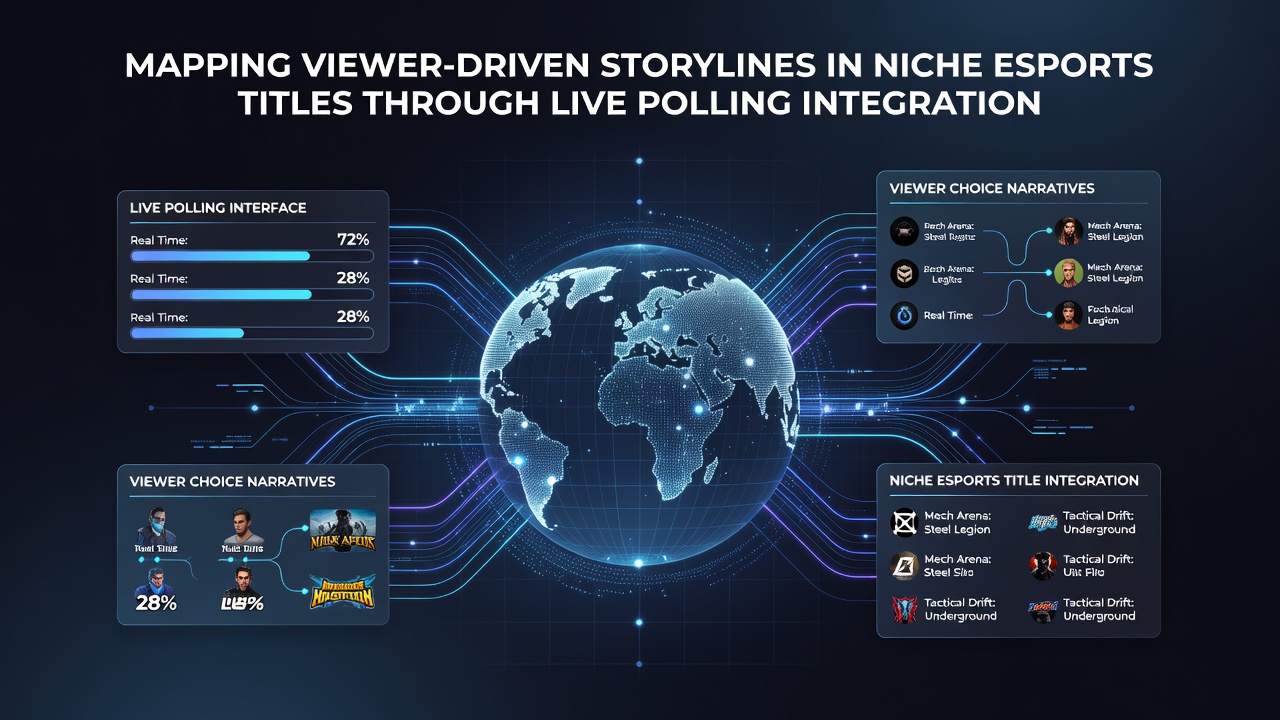
Analysts track how poll results correlate with subsequent match statistics, and they map these patterns using visualization tools that highlight which viewer demographics favor particular branches. Data collected during July 2026 events revealed that polls with three or more options produced more balanced engagement across time zones than binary choices, because wider option sets reduced drop-off during voting windows.
Case Examples from Specialized Titles
Several niche esports circuits have documented workflows where polling drives multi-week story arcs. In one recurring league, viewers selected rival alliances that determined prize pool distributions and team rivalries for following events, and the resulting narrative threads appeared in highlight packages that accumulated additional views on secondary platforms. Another title incorporated environmental modifiers chosen by audience vote, which altered terrain features and forced players to adapt strategies on short notice.
Those who manage these systems report that integration requires close coordination between developers and broadcast teams to prevent desyncs when large vote volumes arrive simultaneously. The Australian Interactive Games Association has published guidelines on handling data privacy during live votes, emphasizing secure token systems that prevent duplicate entries without storing personal identifiers.
Measurement of Narrative Mapping Effectiveness
Teams quantify storyline impact through retention graphs that compare average watch time before and after poll activations, and they cross-reference these graphs with chat activity spikes. Studies from Canadian research groups show that titles using live polling retain 15 to 22 percent more concurrent viewers during decision segments than comparable non-interactive streams. Metrics also track how often chosen branches lead to unexpected upsets, which in turn generate additional discussion on community forums.
Software dashboards now aggregate poll histories across multiple events, allowing organizers to identify recurring viewer preferences and adjust future narrative options accordingly. This feedback loop operates continuously, with updates deployed between tournament weeks rather than full season resets.
Conclusion
Live polling integration continues to expand the range of viewer-driven elements in niche esports, supported by maturing API standards and documented retention gains. Events scheduled after July 2026 will likely test larger option sets and cross-title narrative continuity as more developers adopt the same synchronization frameworks.