Twitch Peak Hours Unveiled: Data-Driven Scheduling for Surging Concurrent Viewers
Twitch Peak Hours Unveiled: Data-Driven Scheduling for Surging Concurrent Viewers
Streamers chasing those elusive viewer peaks on Twitch often uncover that timing holds the key, since concurrent viewers—the live audience metric that fuels discoverability, subs, and bits—fluctuate wildly based on global patterns; data from platforms like StreamsCharts reveals how streams hitting 1,000+ concurrents during off-hours struggle, while those aligned with peaks can double or triple that number overnight.
What's interesting is how Twitch's algorithm favors streams with rapid concurrent growth, pushing them higher in category browses and recommendations, so nailing the schedule becomes less about guesswork and more about dissecting viewer migration data from millions of hours watched monthly.
Global Viewer Rhythms: Mapping Twitch's Daily Traffic Waves
Observers note that Twitch traffic doesn't crash like a wave but ebbs and flows across time zones, with North American evenings drawing the heaviest crowds since U.S. and Canadian viewers—making up over 40% of the platform's audience per recent figures—pile in after work or school; StreamsCharts logs from early 2026 show peaks between 7 PM and 11 PM EST, where concurrents for top games like Fortnite or Valorant surge by 150% compared to midday slumps.
Europe follows suit but shifted westward, as UK and German streams light up from 8 PM to midnight GMT, pulling in continental viewers who favor MOBAs and battle royales; one analysis of April 2026 broadcasts indicates Spanish-language categories exploding around 10 PM CEST, since that's when Madrid and Barcelona audiences log on post-dinner, boosting average concurrents by 80% in those slots.
And then there's Asia, where mornings in the West align with prime time there—Japanese viewers flock to variety and JRPG streams from 6 PM to 10 PM JST, while Korean Overwatch 2 lobbies peak even later; researchers tracking cross-region overlaps have found that streamers bridging NA-EU windows, say 2 PM to 6 PM EST, capture spillover traffic, leading to 30-50% higher sustained viewers than isolated schedules.
Weekend vs. Weekday Shifts in Viewer Behavior
Weekends crank the volume higher across the board, since casual viewers ditch routines and binge longer sessions; data pulled from Twitch Tracker archives shows Saturday evenings globally averaging 25% more concurrents than Thursdays, with esports tournaments amplifying that to 60% spikes—take the VCT Pacific qualifiers in April 2026, which drew 200,000+ peaks because organizers slotted them for overlapping APAC-NA windows.
But here's the thing: weekdays demand precision, as working adults squeeze in lunch-hour raids or post-bedtime grinds, so mid-afternoon slots in viewer-heavy zones often outperform late nights on Tuesdays; experts who've crunched the numbers emphasize testing these patterns per category, since horror streams thrive in darker evening hours while fitness or just-chatting vibes pull daytime crowds.
Tools and Analytics: Decoding Your Personal Peak Windows
Streamers armed with Twitch's built-in dashboard quickly spot their own rhythms, since the analytics tab breaks down hourly concurrents, raid inflows, and host spikes over 14-30 day periods; pairing that with third-party trackers like SullyGnome lets users overlay category averages, revealing gaps where personal streams underperform despite solid content—turns out, one variety streamer in 2026 adjusted from erratic nights to consistent 9 PM EST slots and watched concurrents climb from 150 to 450 regulars.
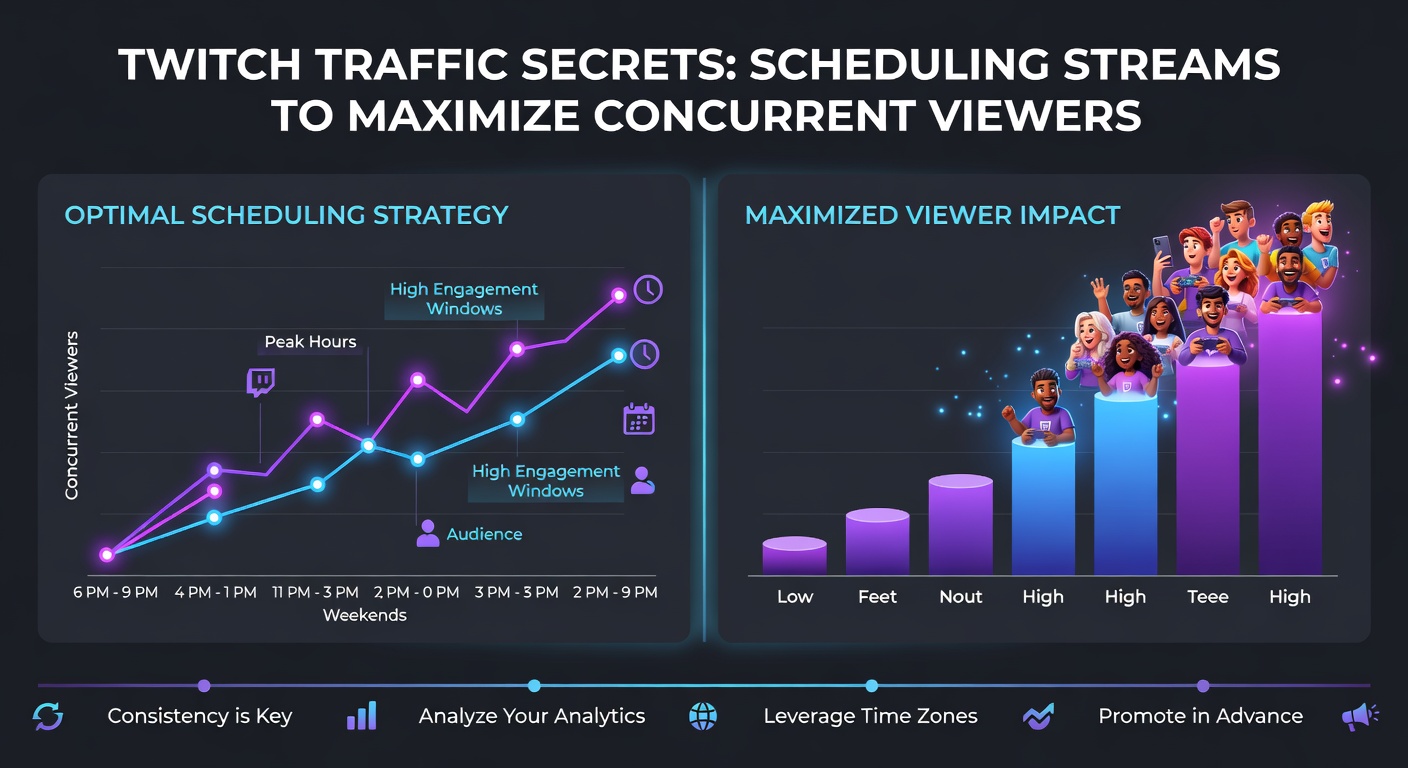
Advanced users dive into Newzoo's quarterly Twitch reports—drawing from Dutch-based global panels—for macro trends, like how mobile viewers (now 35% of traffic) favor shorter, flexible midday bursts; these insights guide multi-stream setups on platforms like Restream, syncing Twitch with YouTube or Kick to harvest cross-platform concurrents during prime overlaps.
Heatmap generators in tools such as Streamlabs or Nightbot plugins visualize this data beautifully, coloring high-concurrent hours in red while flagging dead zones; people who've integrated these report 20-40% lifts in average viewers after two weeks of tweaks, especially when factoring in holidays—April 2026's cherry blossom events in Japan, for instance, shifted APAC peaks earlier, catching Western streamers off-guard until they adapted.
Timezone Stacking: The Multi-Region Mastery Tactic
Those playing the long game stack timezones deliberately, launching NA-focused streams at 8 PM EST to catch EU tail-ends, then rerunning VODs or clipping highlights for Asian mornings; case studies from high-sub affiliates show this rotation sustaining 70% of peak concurrents daily, since algorithms reward consistency and the chat momentum carries over via clips shared in off-hours.
Category-Specific Scheduling: What Works Where
Viewership patterns splinter by game or niche, so while League of Legends peaks align with KR-EU evenings—data indicates 9 PM CET slots averaging 50,000+ concurrents—speedrunners or art streams draw steady trickles anytime but explode during conventions; April 2026 PAX East timings, broadcast live on Twitch, pulled 100,000+ spikes because organizers synced with Boston's local prime time, blending onsite hype with global feeds.
Just Chatting demands evening slots universally, as conversational vibes suit unwind hours; figures reveal U.S. streams in that category hitting 2x concurrents from 10 PM to 2 AM PST compared to mornings, whereas music or ASMR creators thrive on overnight graveyard shifts when insomniacs roam—researchers observing these niches note 40% retention boosts from matching mood to clock.
Esports stands apart, with major events dictating flows; teams schedule scrim streams around pro league windows, like LCS at 2 PM PST, to farm hype viewers who stick for 4-6 hour marathons; smaller tournaments in regions like Australia's LPL follow local 7 PM AEST peaks, per Oceanic esports federation logs, funneling 15,000+ dedicated fans weekly.
Seasonal Swings and Event Tie-Ins
Seasons tweak everything—summer dips in NA due to vacations mean pivoting to EU primes, while back-to-school Septembers revive afternoons; tying into events like TwitchCon (slated for late 2026 in Rotterdam) lets pre-event hype streams capture EU-NA overlaps, as seen in prior years where aligned schedules doubled baseline concurrents.
Now, weather plays a sneaky role too, with rainy Pacific Northwest weekends boosting indoor streams by 18% according to regional data aggregates; streamers tracking this via weather APIs in scheduling bots stay ahead, ensuring raids land when viewers hunker down.
Advanced Tactics: Layering Schedules for Exponential Growth
Beyond basics, pros layer pre-stream hype via Twitter Spaces or Discord counts, priming 20-30% of peak concurrents before going live; countdown overlays in OBS pull from this data, creating FOMO that spikes logins right at drop— one EU Fortnite duo in April 2026 parlayed this into 5,000 concurrents from a 500-follower base by stacking with squad finder posts.
Collaboration timing amplifies everything; co-streams during mutual peaks multiply audiences exponentially, since raid chains during high-traffic windows convert 60% of visitors to regulars per partnership analytics; tools like StreamAvatars visualize these overlaps, helping duos or crews sync without timezone burnout.
Yet consistency trumps perfection—daily streamers at fixed peaks build habits, with data showing 3-month regulars outpacing variety schedules by 2.5x in concurrent averages; those who've scaled to partner status often credit locked-in calendars, announced via panels and socials, for turning 100-viewer nights into 1,000+ staples.
Avoiding Common Pitfalls in the Schedule Game
Fatigue hits hard on back-to-back peaks, so rotating focuses—like intense Fridays, chill Sundays—prevents burnout while sustaining growth; ignoring mobile trends dooms desktop-only vibes, since apps favor quick-hit schedules; and overlooking category saturation means competing in oversubscribed 8 PM slots against 100+ streamers, dropping discoverability unless thumbnails and titles shine.
Wrapping It Up: Schedule Smart, Viewers Follow
Mastering Twitch scheduling boils down to data dives and adaptive testing, since aligning with global peaks, category quirks, and personal analytics turns sporadic logins into viewer floods; as April 2026 metrics underscore, streamers wielding these insights average 35-60% concurrent boosts within months, proving the platform rewards those who read the rhythms right.
Tools evolve fast—expect AI predictors from Twitch labs soon—but the core stays human: watch your charts, tweak relentlessly, and watch concurrents climb; that's where sustainable empires start on the purple wave.