Transition Routes from Tournament Arenas to Media Production Positions
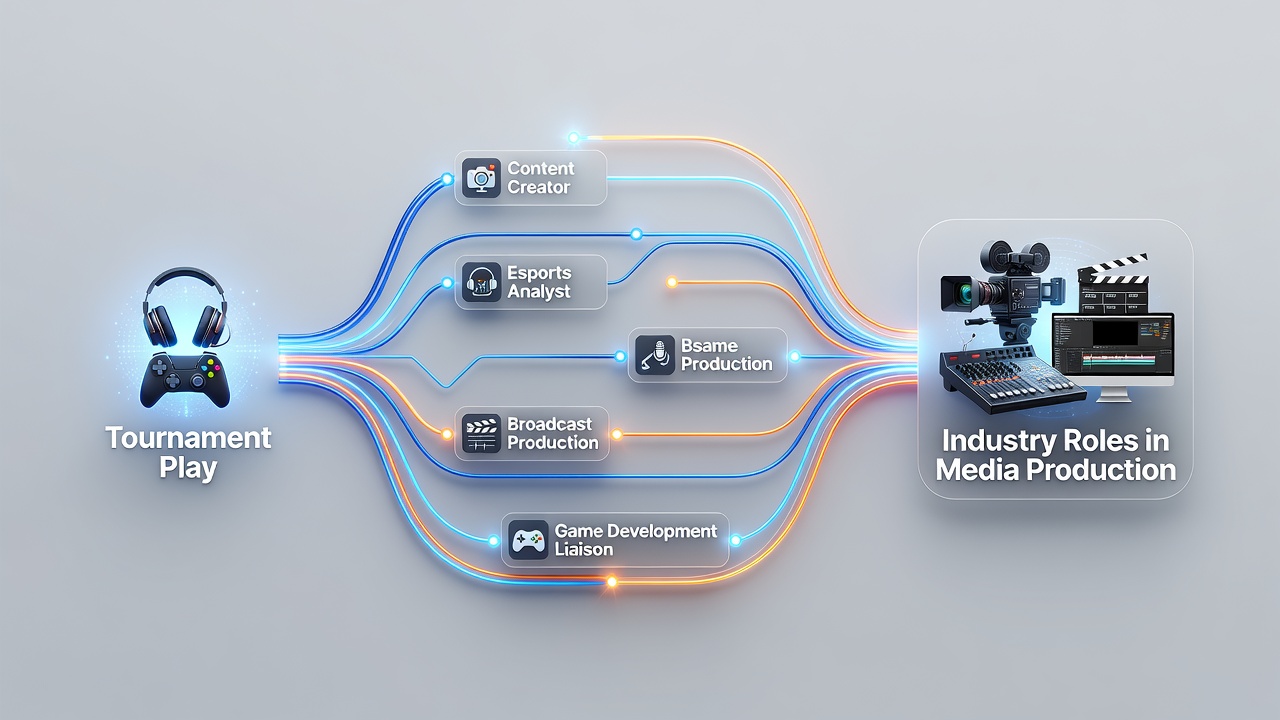
Competitors who finish their tournament schedules often explore structured entry points into media production, where their firsthand knowledge of event pacing and audience dynamics supports roles in live directing, content editing, and broadcast coordination. Research from academic institutions indicates these transitions rely on transferable competencies such as real-time decision-making and technical familiarity with streaming tools, while data from industry groups reveals steady demand in sectors handling competitive event coverage.
Core Competencies That Transfer Directly
Players develop acute awareness of timing and pressure during high-stakes matches, skills that translate into production tasks like synchronizing camera feeds and managing overlay graphics during live segments. Observers note that former competitors frequently excel in roles requiring rapid problem-solving, since tournament environments train individuals to adapt when technical issues arise mid-event. Studies conducted at European universities have documented how participants leverage experience with communication protocols to coordinate between on-site talent and remote production teams, reducing errors in multi-camera setups.
Technical proficiency with capture software and hardware configurations further accelerates entry, as many athletes already maintain personal recording rigs for review purposes. Those who've studied these patterns find that certifications in video editing software or audio mixing often complement existing abilities, creating efficient bridges into full-time positions at production houses.
Structured Entry Mechanisms Observed in 2026
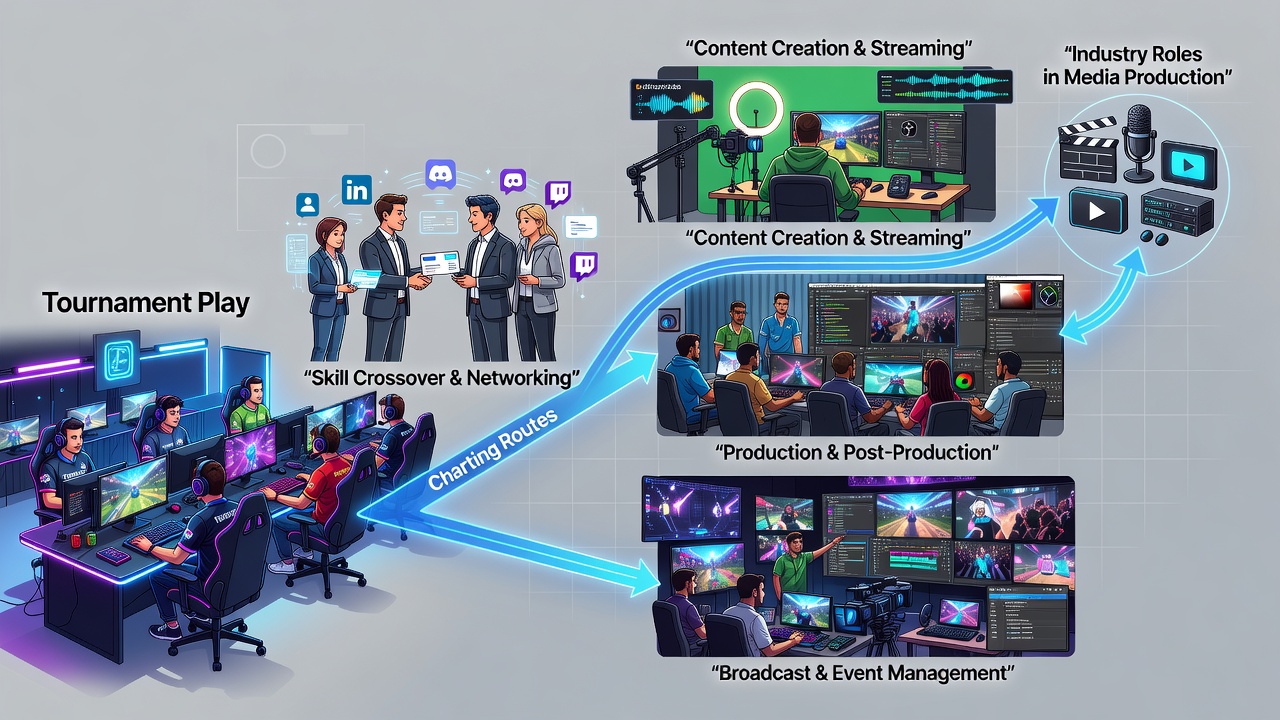
Industry reports released around June 2026 highlighted expanded internship pipelines connecting regional tournaments with established media firms, where participants gain supervised experience in post-production workflows. These programs typically pair recent competitors with mentors who guide them through tasks such as highlight reel assembly and metadata tagging for archival purposes. Figures from trade associations show participation rates rising as organizations recognize the value of insider perspectives in crafting authentic coverage.
Networking at major gatherings remains central, with analysts observing that direct interactions during off-season events lead to freelance opportunities in graphics operation and segment producing. Data indicates participants who maintain portfolios of their own match analyses secure positions more readily than those without documented examples of creative output.
Geographic Variations in Opportunity Structures
North American markets emphasize integration with entertainment conglomerates that produce packaged series from tournament footage, whereas Asia-Pacific regions prioritize live event support roles tied to regional leagues. Canadian innovation reports link government-supported training initiatives to higher placement rates for individuals moving from competition into technical production crews. Meanwhile, Australian industry bodies document growth in dedicated media facilities that recruit directly from local circuits, citing the advantage of cultural familiarity with game mechanics.
European frameworks often incorporate formal apprenticeships regulated through vocational bodies, allowing structured progression from volunteer positions at smaller events to lead roles in international broadcasts. Researchers have mapped these differences, noting that success depends on aligning personal strengths with regional production demands rather than pursuing uniform strategies.
Documented Case Examples of Successful Shifts
One former mid-tier competitor established a production company specializing in tournament recaps after acquiring editing skills through online courses, eventually contracting with multiple leagues for highlight distribution. Another individual transitioned into director positions by starting as a volunteer replay operator, building relationships that led to full-time employment within two years. Such examples illustrate how targeted skill acquisition complements tournament backgrounds without requiring complete career resets.
Observers have tracked cohorts where participants combined playing experience with formal media education, resulting in hybrid profiles valued for both authenticity and professional polish. These paths demonstrate measurable outcomes when individuals document their work and engage consistently with production communities.
Conclusion
Routes from tournament participation into media production continue to expand through targeted training, networking, and recognition of overlapping competencies, supported by data from diverse regional sources including the Entertainment Software Association and reports from Australian industry groups. Individuals who map their existing abilities onto production requirements position themselves for sustained involvement in event media ecosystems.