Real-Time Translation Layers Fueling Esports Global Growth
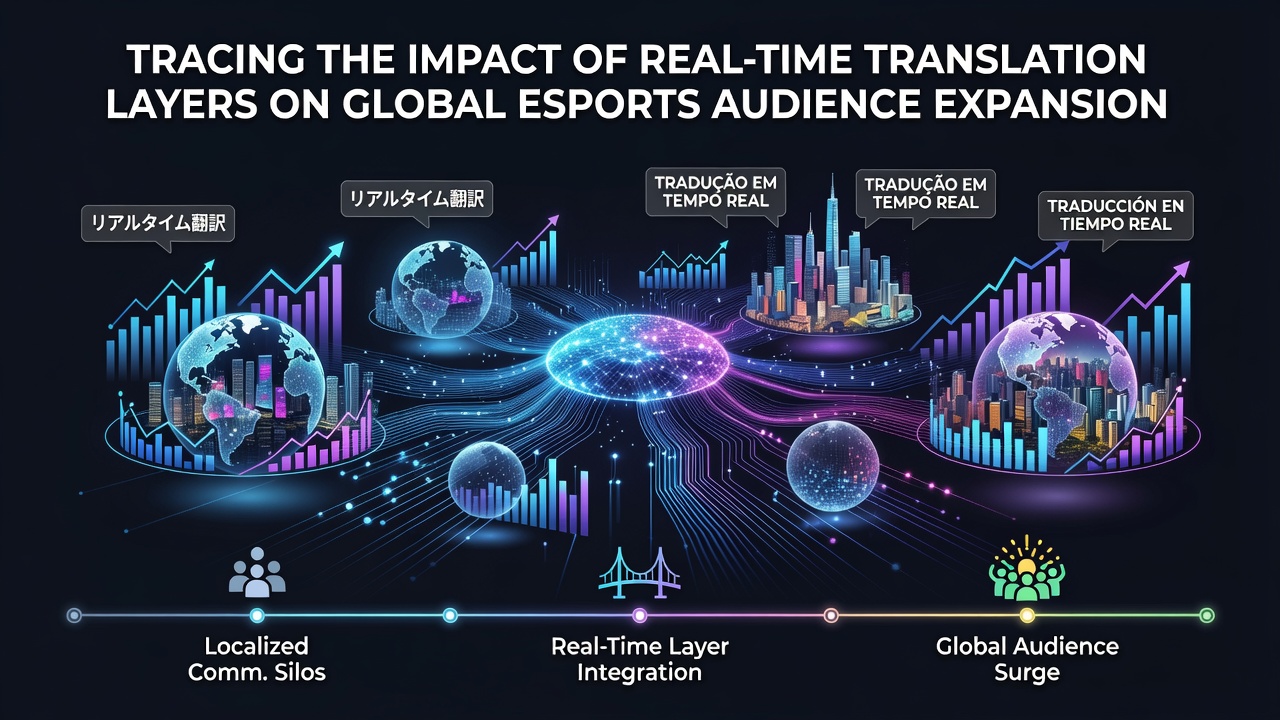
Esports has moved far beyond its regional roots, and real-time translation layers now sit at the center of that shift. These systems convert spoken commentary, player chat, and on-screen text into multiple languages simultaneously, allowing viewers in different countries to follow matches without language barriers interrupting the experience. Data from industry reports shows audience numbers climbing steadily in non-English markets since these tools gained wider adoption around 2023, and the trend shows no sign of slowing.
Early Development of Translation Technology in Competitive Gaming
Developers first experimented with basic subtitle overlays during major events in 2018 and 2019, yet those early versions suffered from noticeable delays and limited language support. By 2022 several platforms integrated neural machine translation models that reduced lag to under two seconds, while handling up to twelve languages at once. Observers note that the technology matured quickly once streaming services began prioritizing global distribution deals, and partnerships with research institutions in Asia and Europe accelerated the refinement of voice synthesis for natural-sounding dubs.
Figures released by the Asia-Pacific Esports Confederation indicate that viewership from Southeast Asia increased 47 percent between 2022 and 2025 after organizers added Mandarin, Korean, and Thai translation layers to flagship tournaments. Similar patterns appeared in Latin America once Portuguese and Spanish options became standard during live broadcasts.
Current Deployment Across Major Platforms and Tournaments
Leading streaming services now embed translation layers directly into their player interfaces, so users select preferred languages without leaving the stream. Tournament organizers coordinate with technology providers to synchronize translations across multiple titles, ensuring that analysts and shoutcasters remain intelligible whether the match originates from North America, Europe, or East Asia. In July 2026 several circuits plan to test expanded dialect support, including regional variants of Arabic and Hindi, during their summer championship windows.
Researchers at universities in Canada and Australia have documented how these layers affect retention rates, finding that viewers stay 28 percent longer on streams offering at least five language options compared with single-language feeds. The same studies highlight reduced drop-off during high-stakes moments, because translated commentary keeps non-native speakers engaged through complex team strategies and in-game decisions.
Regional Audience Expansion Patterns
Markets that once contributed modest viewer counts now register consistent growth after translation tools arrived. Brazil recorded its largest single-event audience for a League of Legends final in 2025 once Portuguese overlays became available, and India showed parallel spikes during Valorant tournaments following the addition of Hindi and Tamil tracks. European organizers report that Eastern European languages such as Polish and Czech have lifted concurrent viewership by double digits in the past eighteen months.
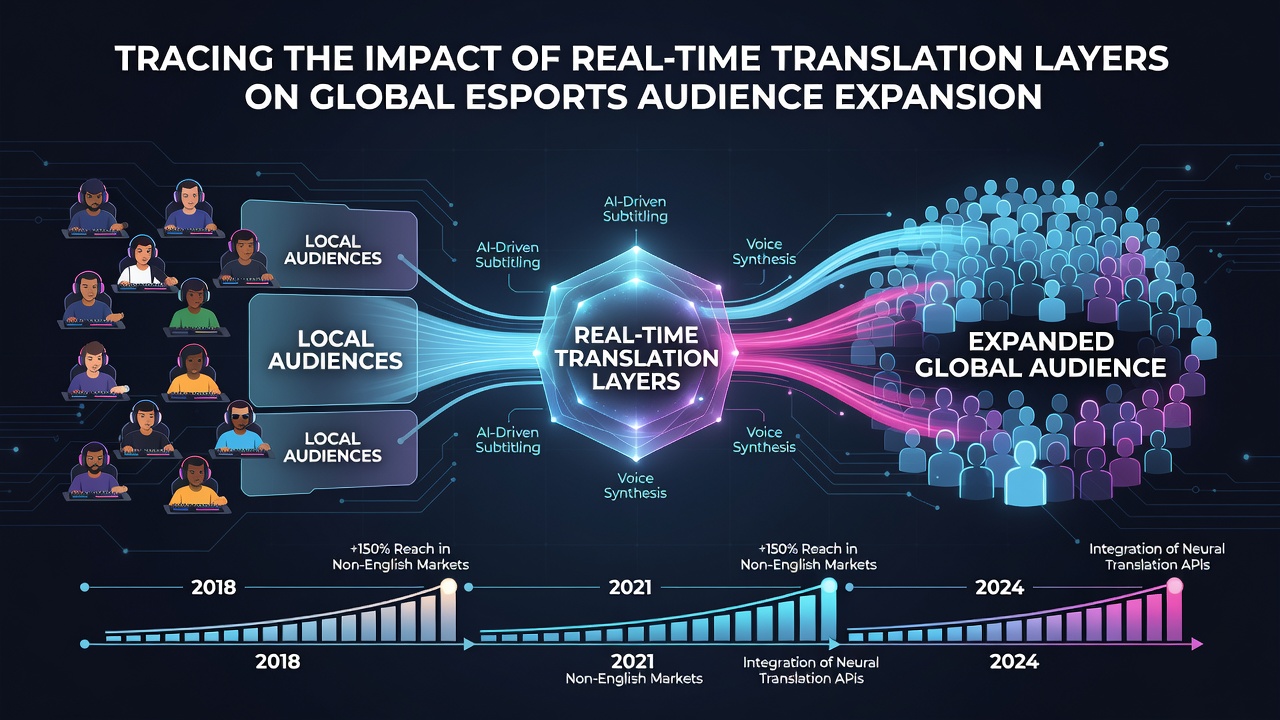
Industry organizations tracking these shifts note that translation layers also support secondary content such as pre-match analysis and post-game interviews, extending the reach of supplementary programming. One study from a European research consortium found that translated highlight reels circulate more widely on social platforms, generating additional organic traffic back to the original streams.
Technical and Operational Considerations
Implementation requires close coordination between developers, broadcasters, and venue staff to maintain audio-video sync and avoid mistranslations during rapid exchanges. Teams deploy hybrid models that combine automated systems with human reviewers for high-profile matches, and quality assurance protocols now include real-time accuracy scoring. Data pipelines feeding these layers rely on low-latency APIs that pull directly from game servers and commentator microphones, while edge computing nodes positioned near regional audiences reduce delivery delays.
Cost structures have evolved as well, with cloud-based services offering tiered pricing that smaller organizers can access. Reports from trade groups indicate that adoption among mid-tier tournaments rose 35 percent in 2025, driven by accessible subscription models rather than custom builds.
Looking Ahead to Continued Expansion
Future iterations of translation layers are expected to incorporate contextual game terminology and player-specific slang, further improving comprehension for dedicated fans. Organizers preparing for 2026 schedules already factor multilingual support into venue planning and sponsorship packages, recognizing that broader language access directly correlates with larger prize pools and media rights value. Evidence continues to accumulate that these systems function as infrastructure rather than optional features, and regions previously limited by language now participate more fully in the global esports conversation.
Conclusion
Real-time translation layers have become integral to the infrastructure supporting esports growth, connecting audiences across linguistic boundaries through synchronized audio and text conversion. Metrics gathered by multiple regional bodies demonstrate sustained increases in viewership and engagement where these tools operate, and upcoming events in July 2026 will test further refinements. The pattern established so far suggests that continued technical investment will keep expanding access without requiring viewers to master additional languages.