Peripheral Adaptation Strategies Among Streamers Building Consistent Revenue
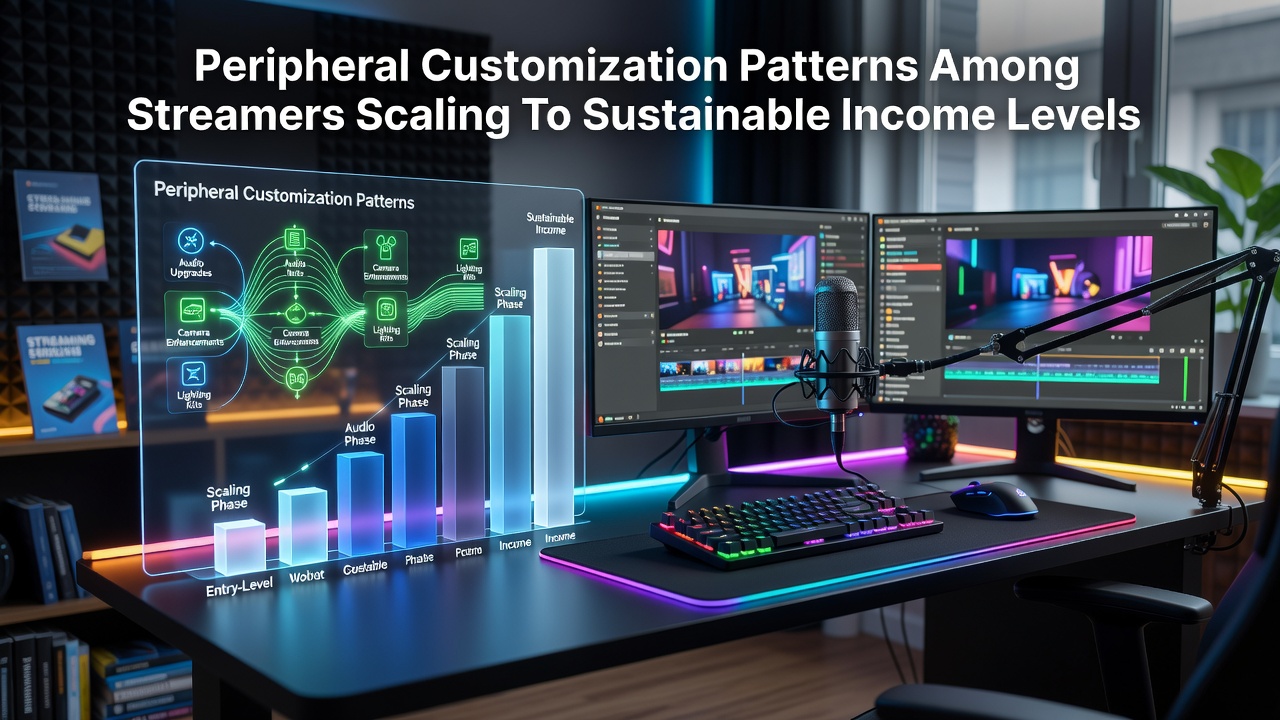
Streamers who reach sustainable income levels often adjust their peripheral setups in measurable ways according to platform analytics and hardware usage data collected through 2025. Researchers tracking creator hardware patterns note that these adjustments typically focus on input devices like mice, keyboards, and controllers that support longer broadcast durations without performance drops. Data from multiple streaming platforms shows increased customization rates among accounts crossing the 500 concurrent viewer threshold on a monthly basis.
Early Stage Adjustments and Device Selection
Those entering consistent revenue phases frequently replace stock peripherals with models featuring programmable buttons and adjustable DPI settings. Observers note this shift occurs because basic devices limit the ability to manage overlays, alerts, and chat interactions simultaneously during live sessions. A 2025 industry survey conducted across North American and European creators indicated that 68 percent of streamers reporting steady sponsorship income had upgraded at least one core input device within their first year of monetization.
Keyboard modifications often include custom keycaps for quick access to scene transitions alongside macro programming that automates routine commands. Mice see similar treatment with weight reductions and sensor calibrations that maintain precision across extended hours. These changes align with viewer retention metrics that reward uninterrupted gameplay and interaction flows.
Scaling Patterns Observed in Mid-Tier Creators
Streamers generating reliable income through subscriptions, donations, and ad revenue demonstrate distinct peripheral evolution compared to hobbyist accounts. Reports compiled by research groups in Australia and Canada highlight that customization clusters around ergonomic additions such as wrist rests, angled stands, and cable management solutions once weekly streaming hours exceed 25. Such modifications reduce physical strain while supporting the multi-tasking demands of managing donation alerts and community moderation tools in real time.
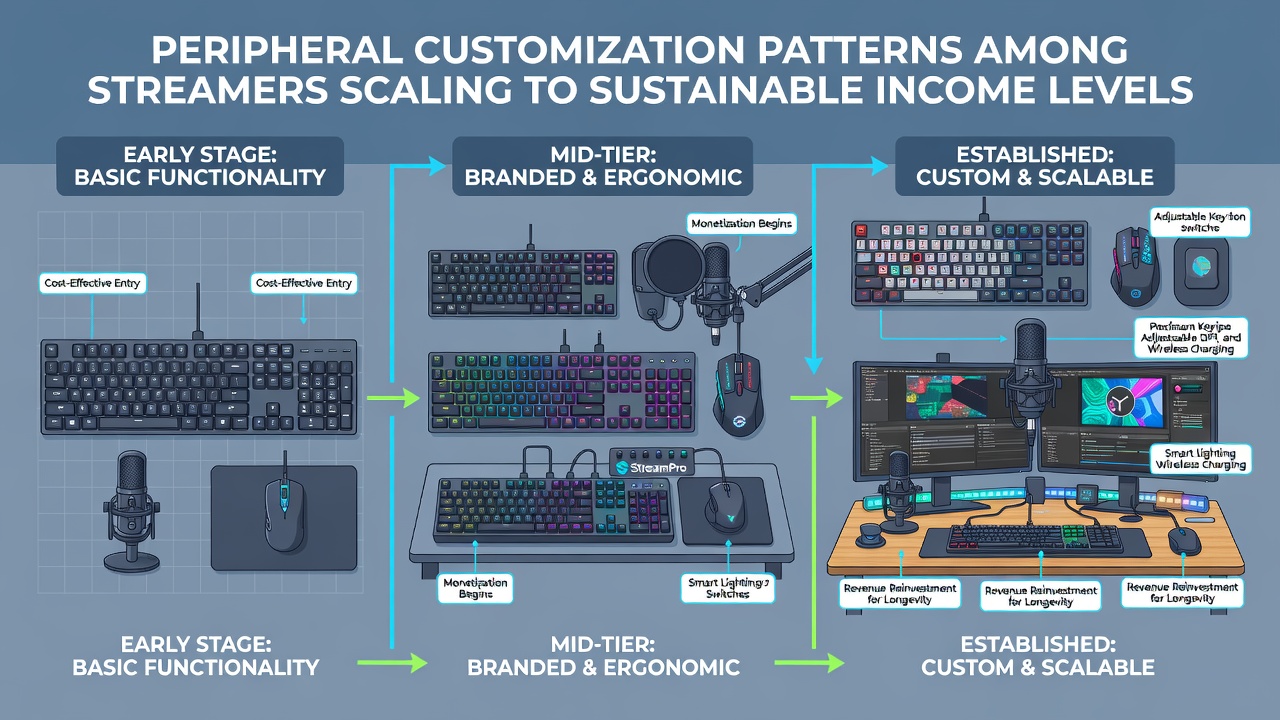
Programmable keypads emerge as a common addition in this income bracket because they allow dedicated controls for software like OBS Studio without interrupting primary gameplay inputs. Analysts reviewing hardware telemetry from June 2026 platform updates found that accounts utilizing modular keypads maintained 12 percent higher average session lengths than those relying solely on standard keyboards. This pattern holds across diverse game genres from competitive shooters to creative building titles.
Advanced Configurations Among Established Earners
Creators who sustain income above regional median levels for digital content often integrate sensor calibration tools and firmware updates into their regular maintenance routines. Studies from academic institutions in the United States and Japan reveal correlations between precise peripheral tuning and reduced input latency complaints during high-stakes tournament streams. These users frequently maintain multiple device profiles that switch automatically based on game type or broadcast segment.
Controller customization appears prominently among console-focused streamers scaling revenue through exclusive partnerships. Modified triggers, textured grips, and wireless adapter optimizations feature in documented setups from creators affiliated with major esports organizations. Such adjustments support the fluid camera control and rapid menu navigation required for professional-level commentary alongside gameplay.
Software integration plays a central role as well since many peripherals now interface directly with streaming dashboards to trigger visual effects or sound cues. Industry reports from the Interactive Software Federation of Europe note rising adoption of unified configuration platforms that sync settings across multiple devices, reducing setup time between broadcasts.
Regional Variations in Customization Approaches
Patterns differ by geographic market according to available hardware ecosystems and income structures. Streamers in Asian markets show higher rates of RGB lighting integration tied to brand sponsorship visibility while European counterparts emphasize minimalistic builds focused on acoustic dampening for shared living spaces. North American data indicates stronger preference for wireless options once income supports higher-end battery and signal stability features.
These regional tendencies reflect both cultural broadcasting styles and local pricing dynamics for specialized components. Tracking services monitoring global creator activity through mid-2026 confirm that income stability correlates more strongly with functional customization than aesthetic upgrades across all examined territories.
Conclusion
Peripheral customization among streamers progressing toward sustainable income follows observable sequences driven by session length requirements, multi-tasking needs, and hardware reliability demands. Data compiled from platform metrics and creator surveys continues to map these progressions as the ecosystem matures through 2026 and beyond. Those monitoring industry shifts can reference ongoing reports from organizations tracking digital content production trends for updated figures on adoption rates and device preferences.