Monitoring Viewer Attrition in Extended Esports Broadcasts with Advanced Logging Systems
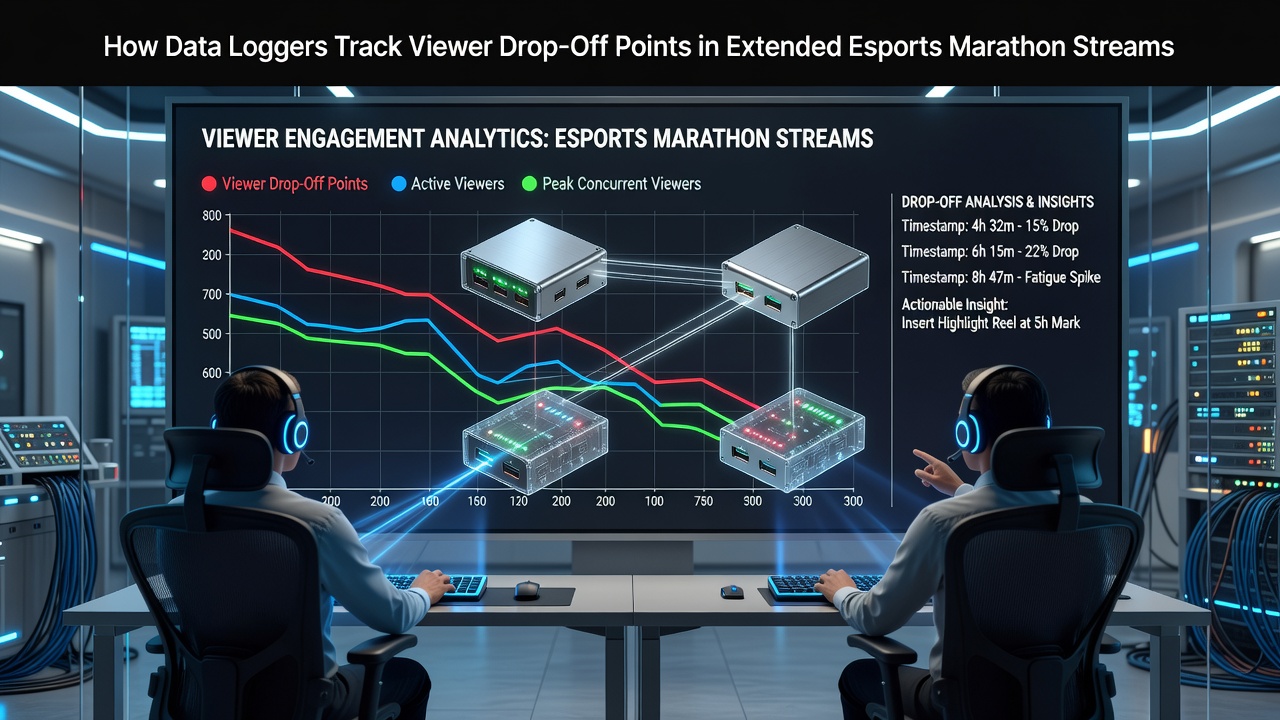
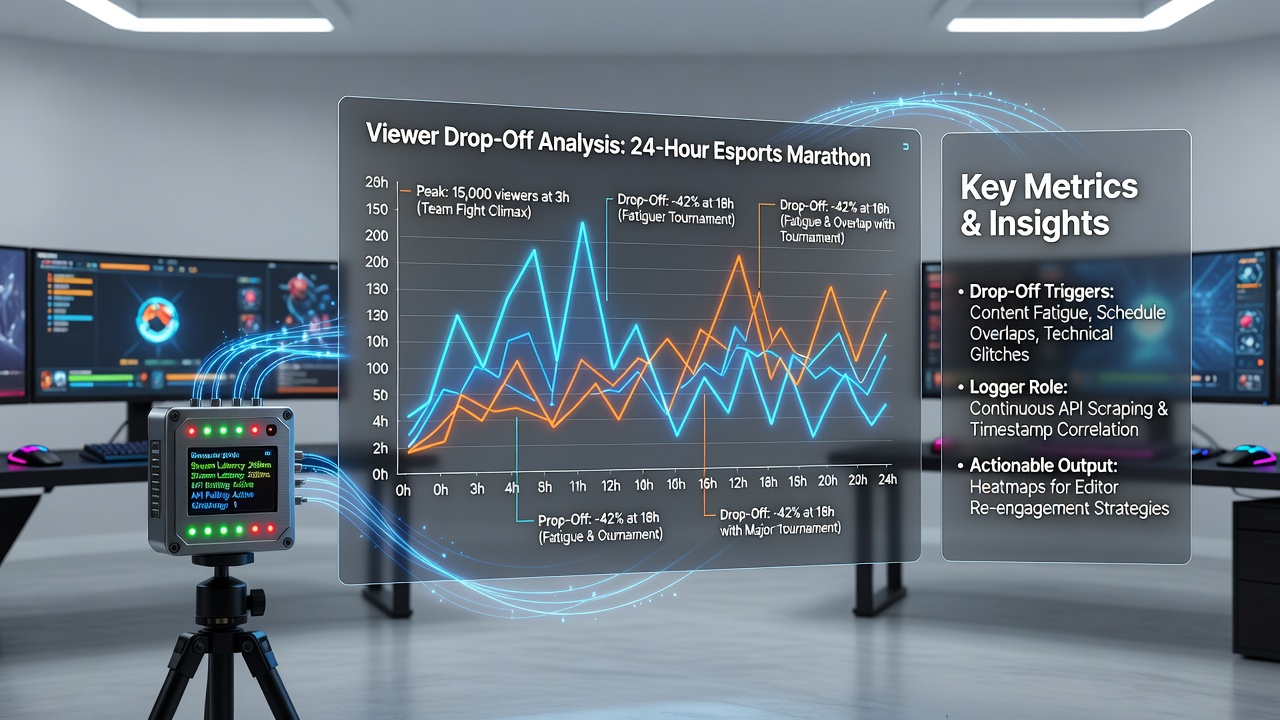
Esports marathon streams often run for twelve hours or more and data loggers capture precise timestamps when audiences begin to thin out. These systems record concurrent viewer numbers at regular intervals while integrating with platform APIs to log events such as chat activity spikes or overlay interactions that sometimes precede exits. Observers note that drop-off points cluster around predictable intervals including mid-tournament breaks or transitions between matches.
Core Mechanisms of Data Logging in Live Esports Environments
Logging tools pull real-time metrics from services like Twitch and YouTube through authorized endpoints that return second-by-second viewer counts along with metadata on stream health. Analysts configure these loggers to tag specific moments such as the end of a round or the start of a sponsor segment and the resulting datasets allow teams to correlate content changes with retention curves. In June 2026 several major circuits deployed enhanced versions of these tools during summer championship marathons which produced granular heat maps of audience behavior across multiple titles.
Hardware sensors on broadcast rigs also feed supplementary data into the same pipelines including frame delivery rates and audio sync markers. When combined with viewer logs this information reveals whether technical hiccups coincide with exits or whether content pacing alone drives the departures. Researchers at institutions such as the University of California have examined similar datasets from past events and confirmed that buffer-related issues account for a measurable share of early exits in extended sessions.
Identifying Patterns Across Different Tournament Formats
Marathon streams covering fighting games tend to show steadier retention compared with battle royale formats where map changes or elimination phases create sharper drop-offs. Data loggers capture these differences by segmenting timelines into five-minute windows and applying statistical filters that isolate voluntary exits from those triggered by external factors such as regional outages. Teams reviewing the logs often discover that viewer numbers stabilize again once a new match begins which suggests the initial dip stems from anticipation rather than dissatisfaction.
European regulatory bodies including the European Commission digital policy unit have published guidelines on data handling practices that many esports organizers now follow when processing viewer metrics. These frameworks emphasize anonymization techniques that strip personal identifiers while preserving the temporal accuracy needed for drop-off analysis. Compliance with such standards has become routine for tournaments seeking broad distribution partnerships.
Integration with Overlay Systems and Real-Time Adjustments
Modern logging setups connect directly to custom overlay engines so that on-screen elements update based on live retention signals. When a logger detects a sustained decline over a ten-minute window the production team receives an alert that prompts adjustments such as switching commentators or introducing viewer polls. This feedback loop operates continuously throughout marathon events and reduces the time between identifying a problem and implementing a fix.
Scripts written in common languages like Python or Lua parse the incoming log files and generate summary reports that highlight the top five drop-off moments along with contextual notes on concurrent stream activity. Those who manage these pipelines report that the reports help producers refine future schedules by shifting high-stakes matches away from historically weak retention windows. Industry groups such as the Entertainment Software Association track adoption rates of these automated tools across North American circuits and note steady growth in their use since 2024.
Future Developments in Retention Analytics
Upcoming logger versions incorporate machine learning models trained on historical marathon data to predict likely exit points before they occur. These predictive features allow broadcasters to test alternative content segments in controlled segments of the audience without disrupting the main feed. Early deployments during 2026 qualifiers already demonstrate improved average view times when predictions guide preemptive changes.
Conclusion
Data loggers continue to refine the understanding of audience behavior in extended esports streams by delivering timestamped records that reveal both technical and editorial influences on retention. Organizers who maintain robust logging practices gain actionable insights that support longer viewer engagement across multi-hour events. As platforms evolve and new measurement standards emerge the role of these systems in marathon production grows more central to operational success.