Integrating Telemetry Systems for Tailored Viewer Engagement in Esports Broadcasts
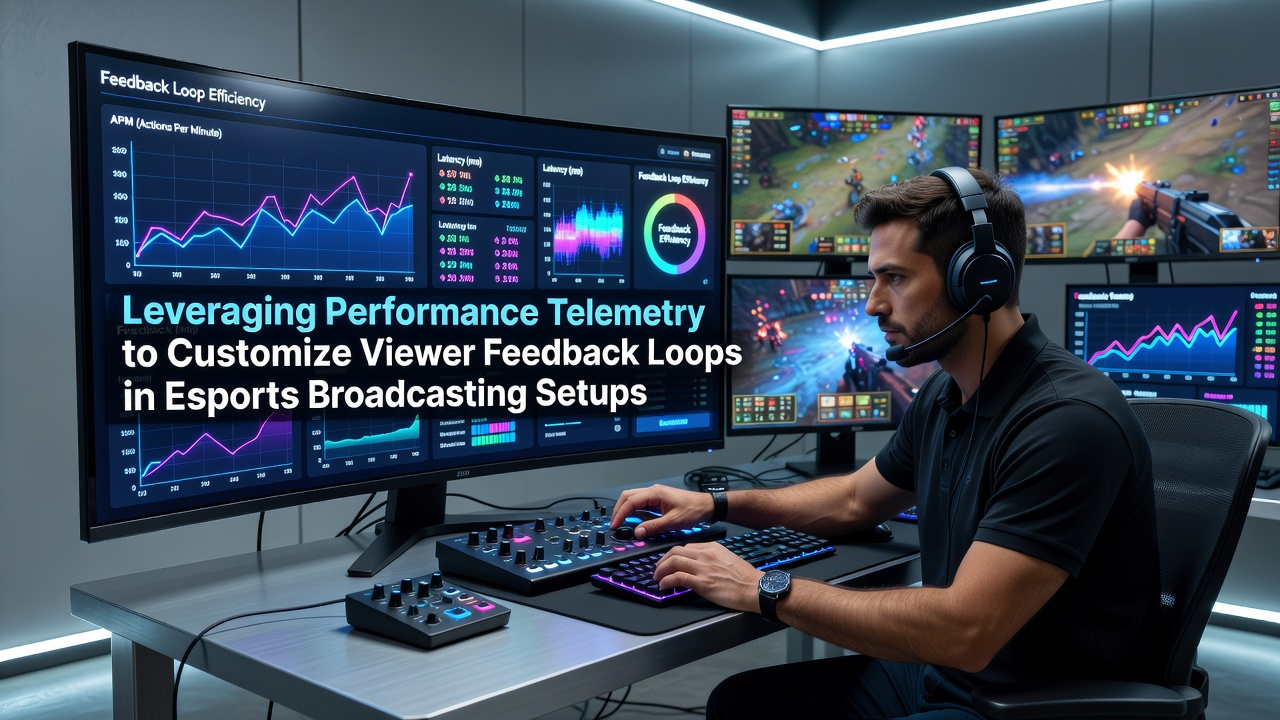
Performance telemetry has become a core element in modern esports broadcasting where metrics from encoders, network connections, and rendering pipelines feed directly into systems that adjust how audiences provide input during live events. Teams collect data on frame rates, bitrate stability, and latency spikes then route those signals into feedback mechanisms such as dynamic polls, chat filters, and overlay prompts that change based on current stream health.
Core Components of Telemetry in Broadcast Workflows
Broadcast engineers monitor hardware sensors alongside software logs to track variables including GPU utilization, CPU thread distribution, and packet loss rates throughout a match. When thresholds are crossed the system triggers predefined viewer prompts rather than generic overlays, which means a stable 1080p60 feed might surface detailed strategy questions while a momentary dip in quality activates simpler yes-no options to maintain participation levels. Observers note that these conditional triggers reduce viewer drop-off because the questions align with actual viewing conditions instead of interrupting at random moments.
Custom Feedback Loop Construction
Developers build modular scripts that ingest telemetry streams and map them to audience response tools. A typical pipeline pulls data from OBS or similar encoding software, passes it through an API layer, and outputs commands to chat bots or web-based polling services. During July 2026 tournaments several production crews demonstrated live adjustments where rising temperatures on capture cards automatically shortened poll durations to prevent lag in the broadcast itself. Those who have studied these setups report that the loops operate on sub-second intervals, allowing rapid shifts between engagement modes without manual intervention from producers.
Case Examples from Recent Events
One production group working with regional leagues in North America linked encoder performance counters to a custom overlay that displayed viewer-submitted predictions only when network jitter stayed below a set limit. When jitter increased the overlay switched to preloaded multiple-choice options that required less processing. In parallel, crews in the Asia-Pacific region experimented with similar logic but tied it to regional data centers, showing that geographic differences in infrastructure influence how aggressively telemetry thresholds can be set before feedback changes occur.
Data Sources and Integration Standards
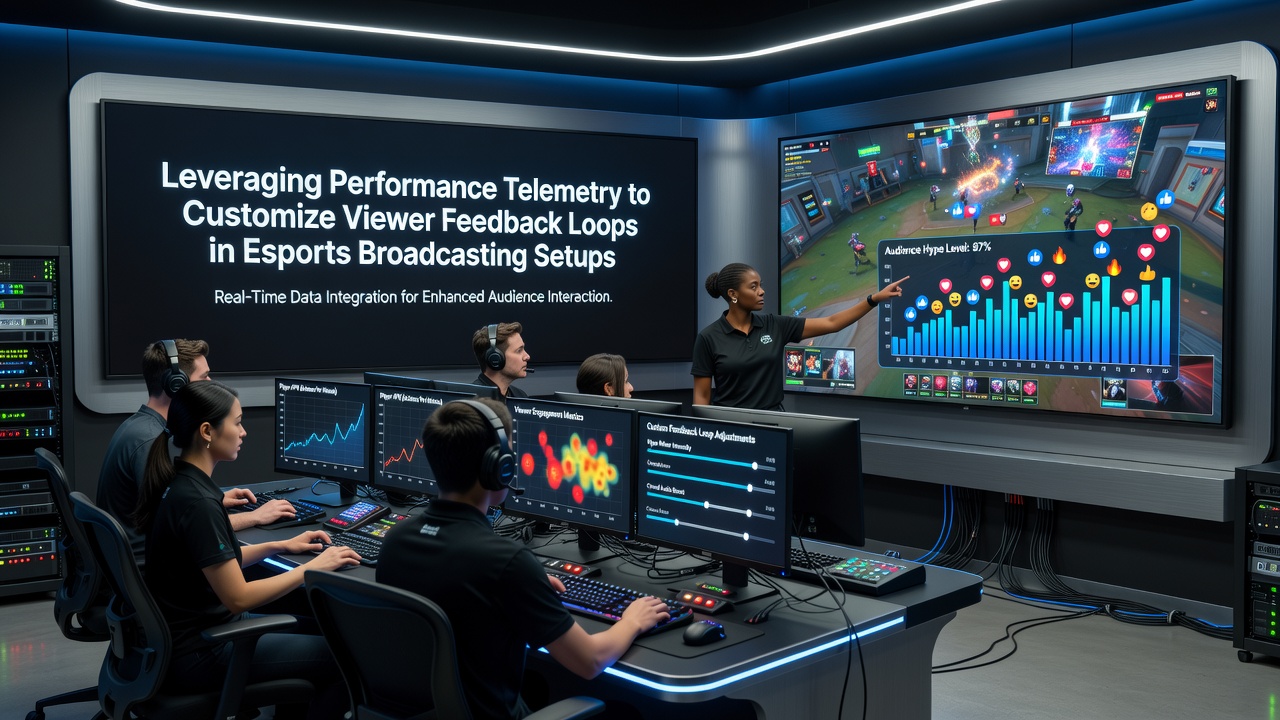
Industry groups such as the IEEE Standards Association have published guidelines on real-time data exchange formats that many esports platforms now follow. These formats allow telemetry from different hardware vendors to flow into a single decision engine. Research teams at universities in Canada have examined how latency in the feedback path affects both stream quality and audience retention, confirming that closed loops under 800 milliseconds produce measurable improvements in interaction rates across multiple titles. Production teams combine these standards with proprietary tools to create per-event configurations that adapt to each game's unique telemetry signature.
Operational Considerations for Production Teams
Engineers must balance the volume of telemetry collected against the processing overhead it introduces on the broadcast rig. Excessive sampling can itself create the very performance issues the system aims to detect. Many crews therefore sample at variable rates, increasing frequency only during high-action segments when viewer engagement tends to spike. The approach keeps resource use predictable while still providing enough data points to drive meaningful changes in feedback presentation. Those who've implemented such variable sampling note that it integrates cleanly with existing alert systems without requiring separate hardware.
Future Directions in Telemetry-Driven Engagement
Emerging protocols focus on standardizing how viewer response data flows back into the telemetry layer itself, creating true bidirectional loops. Early tests involve routing aggregated chat sentiment scores alongside hardware metrics so that sudden spikes in negative feedback can prompt automatic quality checks on the encode side. Organizations including the International Esports Federation have begun documenting best practices for these expanded loops, emphasizing data privacy and minimal latency as core requirements. Production crews continue to refine threshold values based on title-specific patterns rather than applying uniform rules across all events.
Conclusion
Telemetry integration for viewer feedback customization continues to evolve as more tournaments adopt standardized data exchange methods and production teams gain experience with conditional engagement tools. The combination of hardware monitoring and audience response systems produces measurable operational efficiencies while maintaining broadcast stability across diverse event scales. Continued refinement of sampling strategies and bidirectional data flows will likely expand the range of possible interactions without adding complexity for end viewers.