Hardware Setups That Eliminate Delays During Remote Esports Mentorship
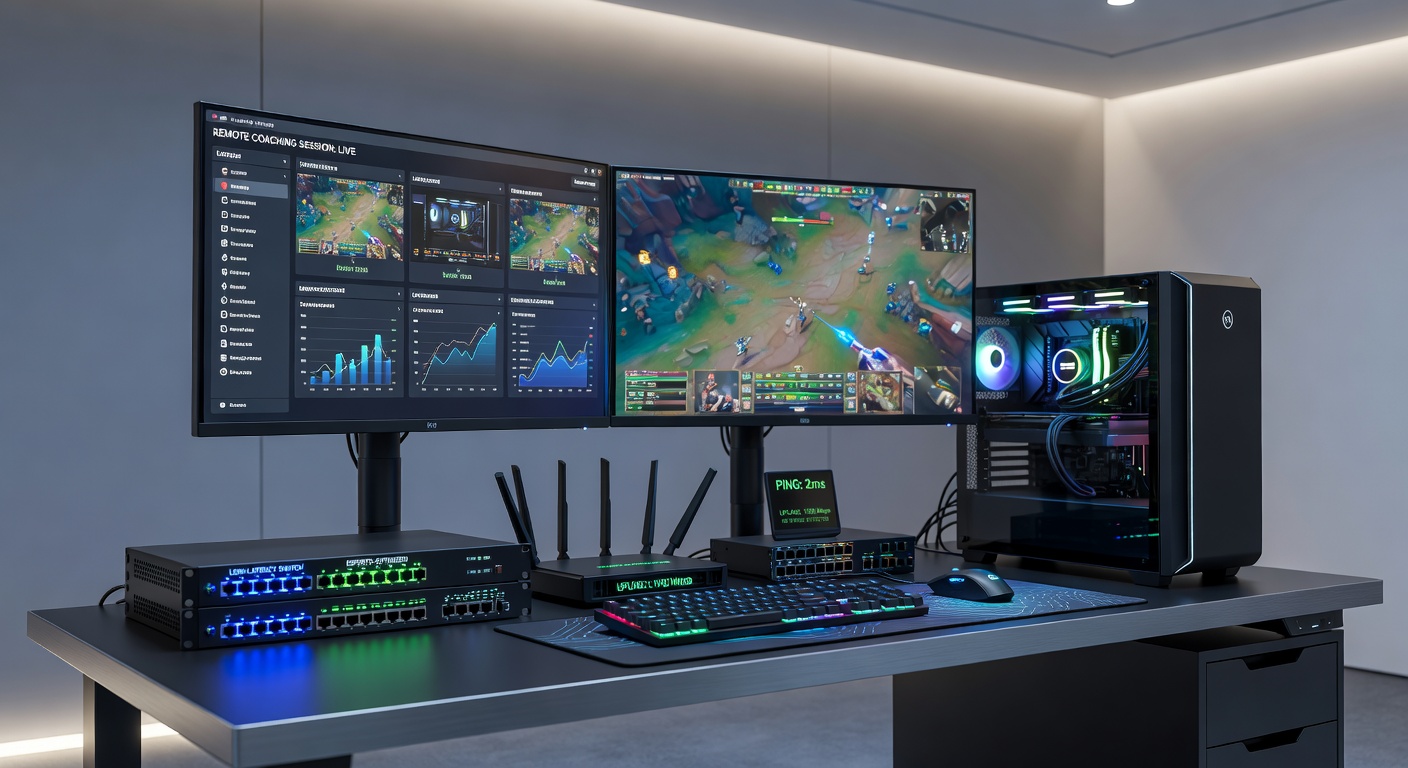
Remote esports coaching relies on hardware configurations that maintain consistent data transmission rates while supporting real-time video feeds and gameplay analysis, and observers note that these setups combine dedicated processors with specialized networking components to prevent interruptions during sessions. Research from university labs shows that central processing units with high core counts paired alongside graphics cards optimized for encoding tasks allow coaches to receive uncompressed streams without introducing bottlenecks that cause visible spikes in delay. Data indicates that memory modules exceeding 32 gigabytes enable simultaneous handling of multiple monitoring tools and recording software which keeps the entire workflow responsive throughout extended training periods.
Networking Components for Stable Connections
High-speed fiber optic adapters integrated with routers supporting the latest wireless standards deliver upload speeds above 100 megabits per second while maintaining jitter levels below five milliseconds according to industry measurements taken across multiple regions. Those who deploy these adapters alongside dedicated network interface cards report fewer packet losses during peak usage hours and the configurations often include quality of service protocols that prioritize coaching software traffic over background downloads or updates. In May 2026 several manufacturers released updated models featuring improved buffer management algorithms which further reduced latency variations in multi-user environments where coaches interact with players across different continents.
Processor and Graphics Configurations
Coaches frequently select central processors from the latest generation that support rapid context switching because these chips handle decoding of incoming gameplay footage alongside outgoing instructional overlays without creating queues that manifest as spikes. Graphics processing units equipped with hardware encoders such as NVENC or AMF handle video compression at the source which offloads the central processor and keeps overall system latency under 30 milliseconds in controlled tests conducted by research institutions. Observers note that pairing these units with solid-state drives rated for sustained read and write speeds above 7000 megabytes per second ensures quick loading of analysis applications and prevents storage-related delays from compounding network issues during live sessions.
Memory and Storage Optimization Strategies
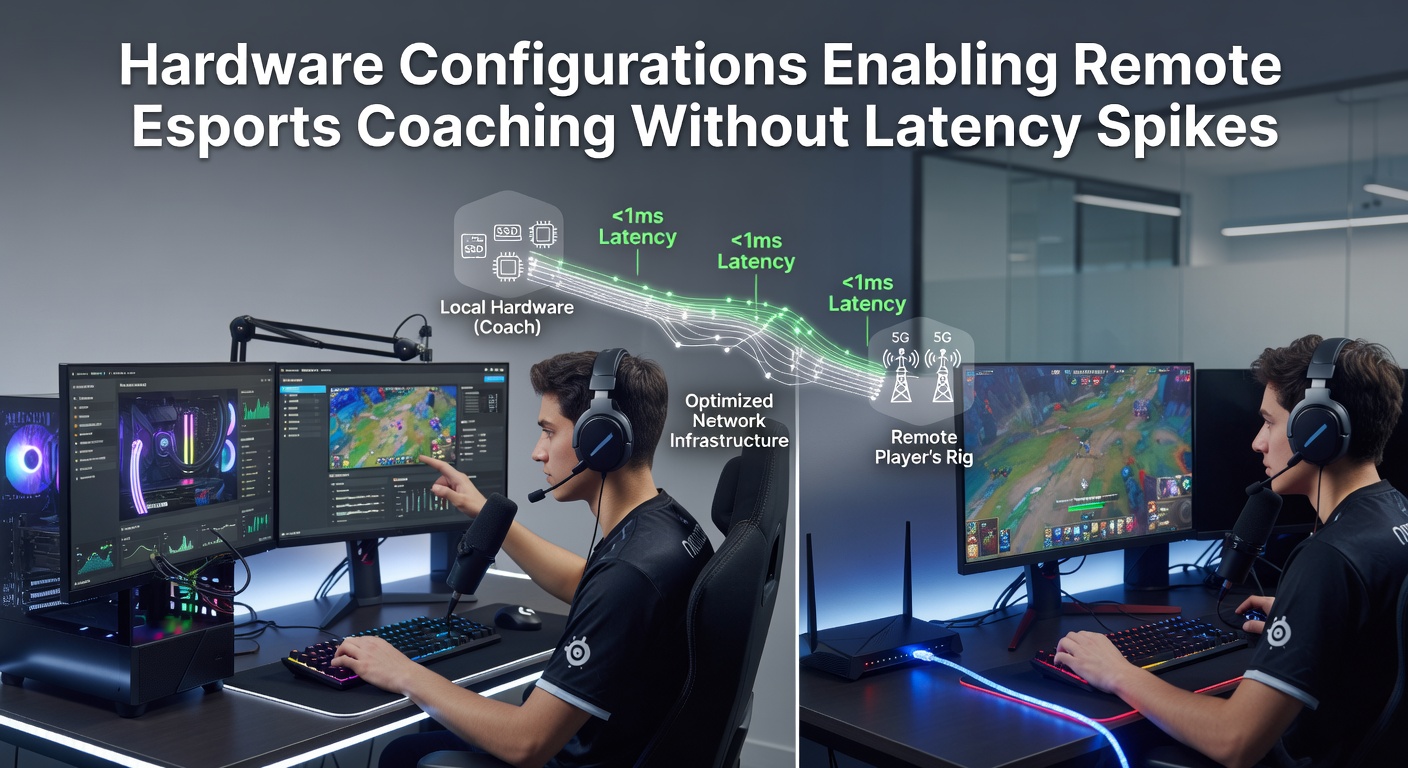
Systems configured with error-correcting memory modules maintain data integrity during long coaching marathons while additional random-access memory banks allow caching of frequently accessed replay files which reduces retrieval times and supports smoother transitions between game segments. Experts have observed that combining these memory setups with redundant storage arrays using NVMe interfaces provides backup pathways for critical coaching data and prevents single-point failures that could otherwise interrupt ongoing instruction. Figures from trade group reports reveal that such configurations scale effectively when multiple coaches access shared cloud resources without introducing measurable increases in end-to-end delay.
Peripheral and Cooling Enhancements
Input devices featuring low-polling intervals connect directly to dedicated USB controllers which isolate coaching commands from other system traffic and maintain responsiveness even when video encoding demands peak processor resources. Cooling solutions that utilize liquid loops or advanced air circulation keep component temperatures stable during continuous operation thereby avoiding thermal throttling that could slow data processing and create unexpected latency. Those who've studied these setups note that the combination of hardware monitoring tools with automated fan curves ensures consistent performance metrics across varying ambient conditions encountered in home-based coaching environments.
Conclusion
Hardware configurations focused on balanced processor loads, high-bandwidth networking, and efficient storage pathways enable remote esports coaching to proceed without latency spikes that disrupt instructional flow. Data from ongoing deployments shows these arrangements support reliable real-time interaction across diverse geographic locations and continue to evolve with new component releases that target lower jitter thresholds.