Esports Athletes Shifting into Production: Building Expertise via Multi-Layered Hardware and Viewer Data Insights
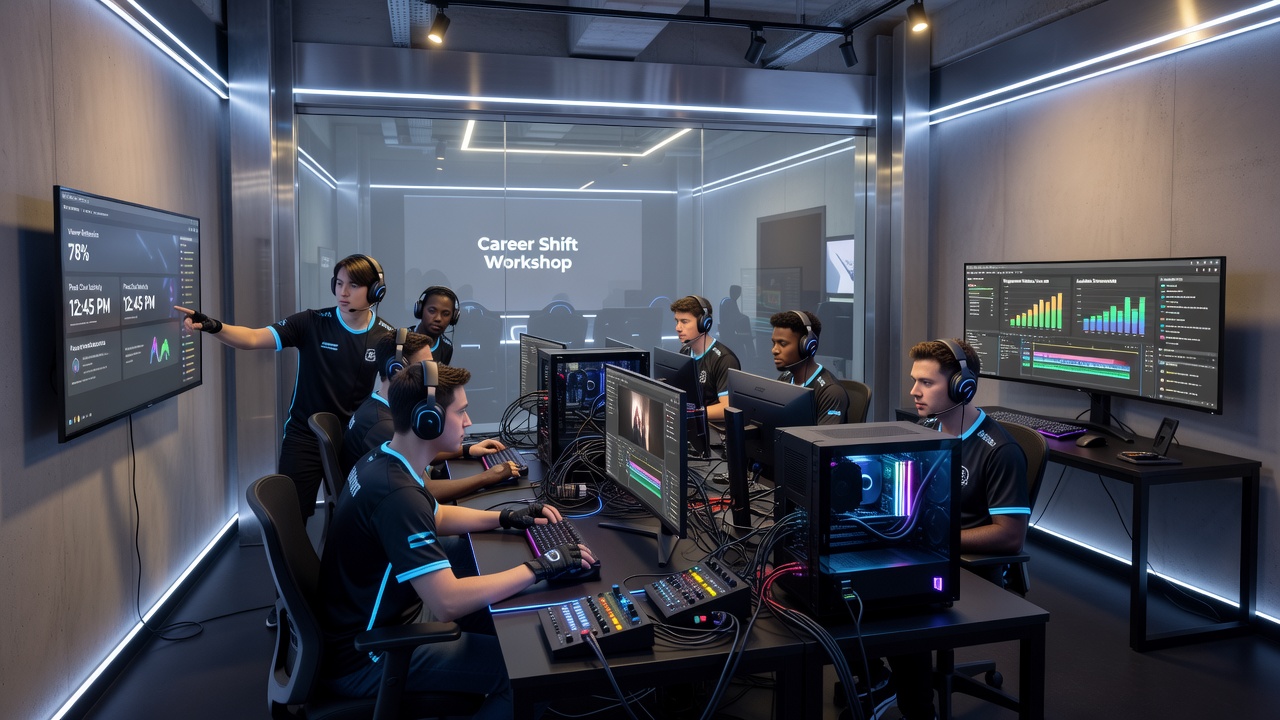
Competitors in esports often explore production roles after years in active play, and data from industry reports shows structured pathways that combine hardware experimentation with audience metrics analysis. Many begin by layering additional systems onto existing gaming rigs, creating dedicated encoding stations that run parallel to competition setups while collecting real-time viewer engagement figures from platform APIs.
Hardware configurations evolve through iterative additions such as secondary PCs for stream encoding, multiple capture cards for multi-angle inputs, and synchronized audio interfaces that isolate game sound from commentary tracks. Those who've studied these transitions note that competitors test configurations across titles like League of Legends and Valorant, adjusting GPU passthrough settings and network prioritization to maintain low-latency performance during live events.
Hardware Layering in Practice
Layered setups typically start with a primary gaming machine connected to a secondary production unit through HDMI capture devices, allowing simultaneous gameplay and broadcast management without performance drops. Observers note competitors often incorporate modular switchers adn KVM solutions to toggle between machines mid-session, while monitoring CPU loads and thermal outputs across both systems.
Research from university studies indicates that athletes who integrate audience analytics early refine their hardware choices based on peak concurrency data, for instance expanding storage arrays when viewer spikes correlate with extended highlight segments. In June 2026, several regional tournaments incorporated workshops on these configurations, drawing from patterns observed in prior seasons where competitors reported smoother workflows after adding dedicated analytics overlays tied to hardware telemetry.
Integrating Audience Analytics
Analytics platforms supply granular data on drop-off points, chat activity spikes, and demographic shifts that guide hardware decisions, such as upgrading to multi-camera arrays when retention metrics improve with dynamic visual changes. Competitors cross-reference these figures with encoding presets, testing variable bitrate adjustments that align with audience preferences for high-resolution streams during high-stakes moments.
Figures from industry associations reveal that players transitioning this way frequently deploy custom scripts to automate data pulls from APIs into production software, creating feedback loops where viewer retention numbers directly influence hardware tweaks like adding more RAM for overlay rendering. One documented case involved analysts who combined hardware monitoring tools with audience heatmaps to optimize stream layouts across multiple esports titles.
Skill Development Pathways
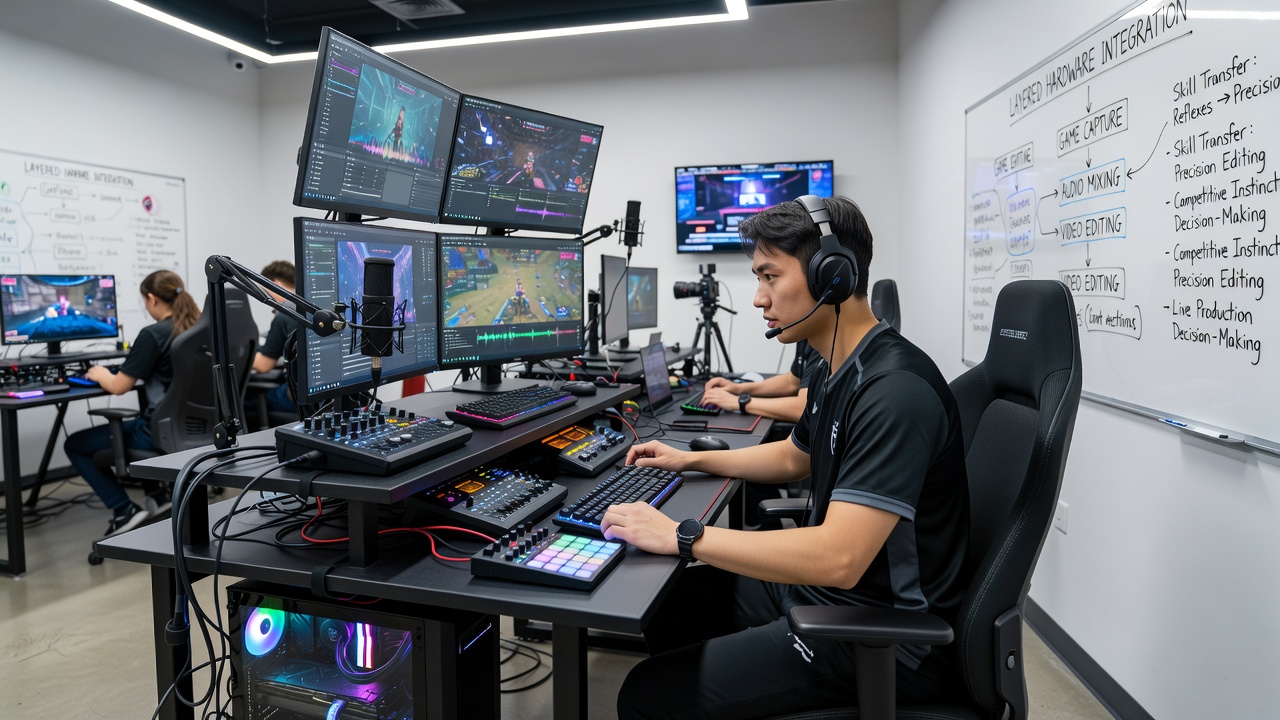
Development occurs through hands-on experimentation rather than formal training alone, with competitors progressing from basic streaming software to advanced pipeline management that incorporates live data visualization. External resources such as those provided by the Global Esports Federation outline modular approaches where hardware layering supports analytics integration across different tournament formats.
Another perspective comes from academic research published through Canadian institutions, which tracks how former competitors apply statistical models from audience data to refine production elements like alert timing and camera switching sequences. These models help identify correlations between hardware stability and sustained viewer numbers during extended broadcasts.
Case Examples from the Field
Take one athlete who moved into behind-the-scenes roles after noticing consistent viewer engagement increases following hardware upgrades that enabled simultaneous multi-game casting, while another group utilized API-driven overlays to display real-time metrics that matched audience interests revealed through chat analysis. Such examples demonstrate the practical merging of technical configurations with data interpretation across professional circuits.
Patterns show that success hinges on iterative testing, where initial setups expand based on retention analytics rather than predefined templates, allowing individuals to scale production complexity alongside career progression into full-time broadcast positions.
Conclusion
Overall the combination of layered hardware and audience analytics forms a core mechanism for esports competitors entering production fields, supported by observable trends in tournament operations and skill-building resources available through established organizations. Data continues to shape these transitions as platforms evolve their analytics offerings and hardware standards advance.