Engineered Hotkey Modularity Streamlines Analyst Workflows Across Diverse Esports Titles
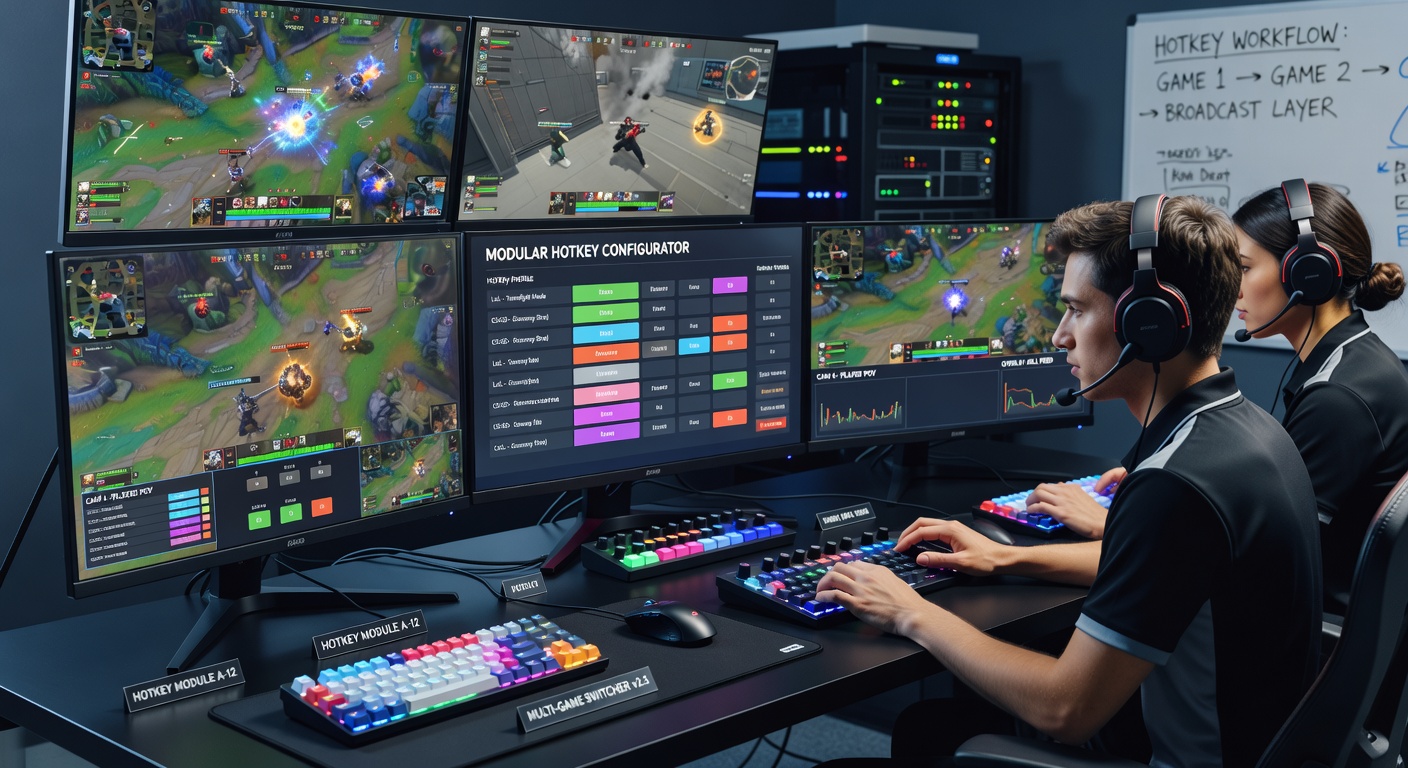
Analysts handling multi-game esports broadcasts rely on modular hotkey systems that adapt quickly to titles like League of Legends, Valorant, and Counter-Strike 2 while maintaining seamless overlay control and data visualization during live events. These setups combine software layers with hardware triggers so that a single key press sequence can activate game-specific scripts without interrupting the production flow. Data from industry reports shows adoption rates climbing steadily through 2025 as tournaments expand their multi-title formats.
Core Components of Modular Hotkey Architectures
Modular designs separate base input handlers from game-specific modules allowing analysts to swap configurations between matches without rebuilding entire profiles. Software platforms such as custom Python scripts integrated with OBS Studio or Bitfocus Companion manage the routing while hardware devices like programmable keypads provide physical triggers that map to layered commands. Observers note that this separation reduces setup time between segments by connecting independent functions through conditional logic paths rather than fixed bindings.
Each module contains triggers for overlay elements, stat pulls from APIs, and alert activations tailored to the current title and analysts load these modules dynamically based on schedule cues. Research indicates that systems using JSON-based configuration files enable rapid updates when game patches alter data structures and teams test these updates in isolated environments before deploying them live.
Integration Patterns for Broadcast Environments
Broadcast teams often connect hotkey modules to multiple data sources simultaneously so one command can pull player statistics from an internal database while switching camera angles through production software. The architecture employs event listeners that monitor both game client outputs and manual analyst inputs creating synchronized responses across displays. According to findings from the Australian Communications and Media Authority on digital production standards, synchronized systems cut latency in live graphics by measurable margins when properly calibrated.
Case examples include setups where analysts trigger a full broadcast reset sequence that clears previous game data, loads the next title's assets, and reconfigures audio ducking all through chained hotkeys. These chains operate via priority queues that prevent conflicts when overlapping commands arrive during high-intensity moments and developers refine queue logic through iterative testing cycles.
Implementation Steps in Practice
Teams begin by mapping every required action across their game roster into a shared function library then they build wrapper scripts that translate generic commands into title-specific calls. Hardware calibration follows with keypads assigned to core navigation while software layers handle the conditional branching. Analysts document each module's dependencies so replacements remain straightforward when new titles enter the rotation.
Testing occurs in staged rehearsals that simulate schedule shifts and unexpected game extensions and logs from these sessions reveal common failure points around API rate limits or mismatched resolution settings. Adjustments focus on adding fallback paths that maintain basic functionality even if a primary data feed drops.
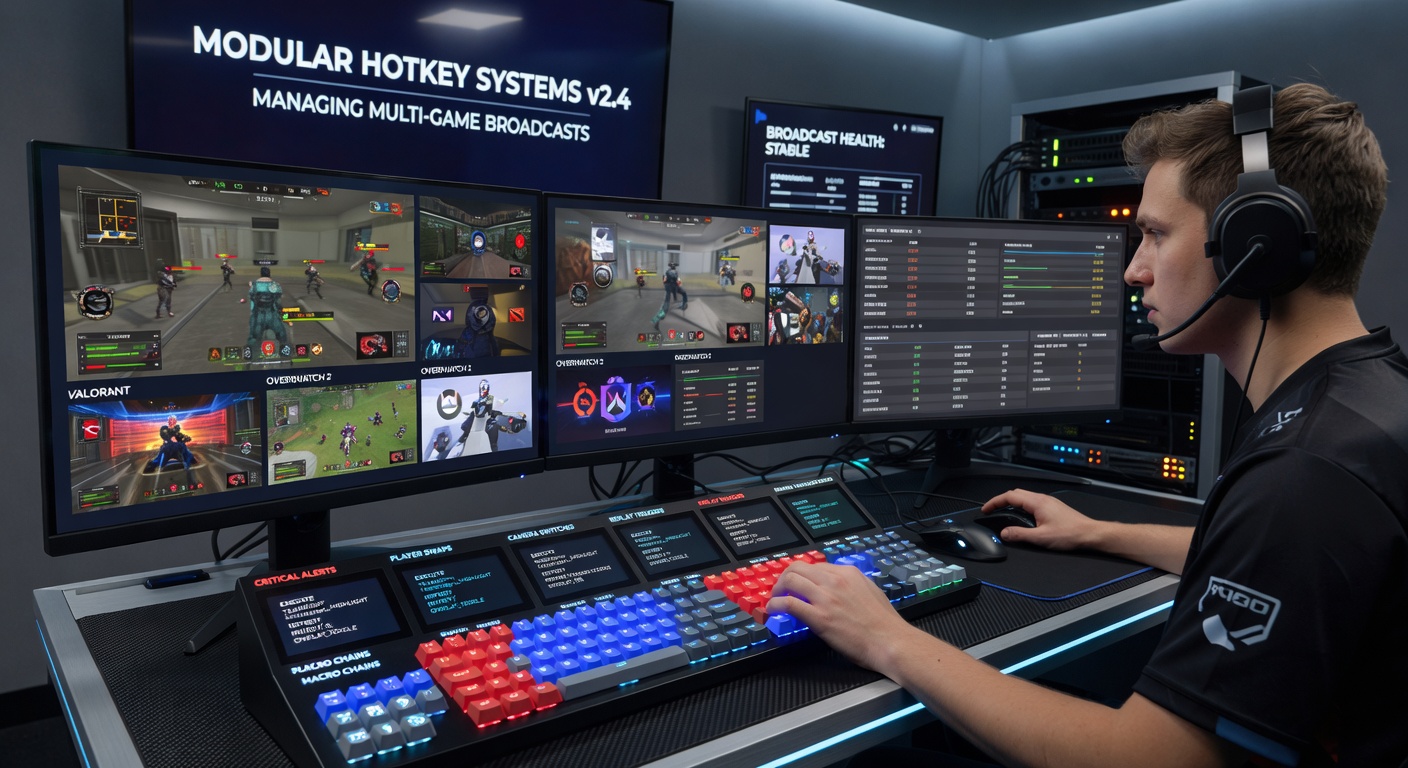
By June 2026 several major leagues plan expanded schedules that include simultaneous coverage of three or more titles and analysts prepare by expanding their module libraries in advance. External resources from the National Association of Broadcasters provide guidelines on signal integrity that teams adapt for their hotkey timing requirements.
Maintenance and Scaling Considerations
Regular audits check module compatibility after each game update and teams maintain version-controlled repositories so previous configurations can roll back quickly if issues surface. Scaling involves distributing modules across multiple analyst stations with centralized management dashboards that push updates uniformly. Evidence from academic papers on real-time systems suggests that distributed architectures improve fault tolerance in extended broadcast sessions.
Training programs focus on teaching analysts how to read system logs and adjust parameters on the fly rather than relying solely on pre-built profiles. This approach builds operational resilience across varying production demands.
Conclusion
Modular hotkey systems continue evolving alongside esports broadcast complexity and organizations that invest in flexible architectures report smoother transitions between titles. Ongoing refinements based on production data help maintain reliability as event scales grow and new competitive formats emerge.