Decoding Emotional Currents in Specialized Competitive Gaming Circles via Instantaneous Message Analysis
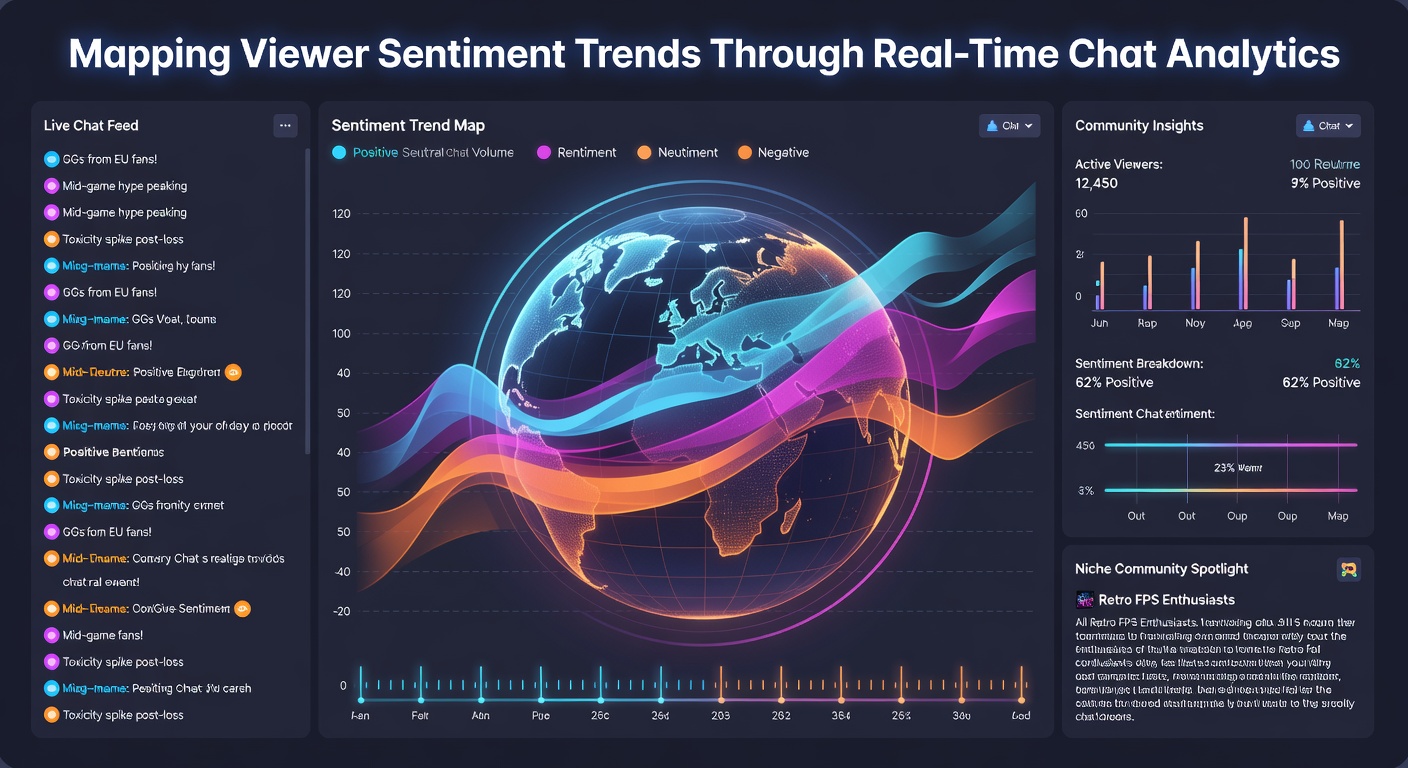
Specialized esports communities centered on games such as Street Fighter VI and Rocket League have turned to live chat analytics as a primary method for tracking audience emotions during tournaments and practice sessions. Researchers process thousands of messages per minute through natural language processing models that classify text as positive, negative, or neutral while also detecting specific themes like excitement over clutch plays or frustration with lag issues. Data from these systems flows into visualization tools that update continuously, allowing community managers to observe how collective mood shifts in response to in-game events without waiting for post-match surveys.
Core Mechanisms Behind Live Sentiment Tracking
Platforms integrate APIs from services like Twitch and Discord to pull chat logs in real time, then apply machine learning classifiers trained on esports-specific slang and abbreviations that evolve quickly across regions. Analysts combine these outputs with timestamps from match data so that spikes in negative sentiment align precisely with moments such as unexpected disconnects or controversial referee calls. In May 2026 several fighting game organizers reported integrating these pipelines directly into their broadcast software, enabling on-screen overlays that display aggregate mood indicators for remote production teams. This setup reduces the delay between an emotional shift in chat and an informed response from moderators who adjust hype music or camera angles accordingly.
Implementation Patterns Across Niche Titles
Communities focused on older titles like Super Smash Bros. Melee maintain dedicated analytics channels where volunteers run open-source scripts that tag messages for recurring phrases tied to player rivalries. Those scripts feed into dashboards that highlight rising tension during bracket resets or crowd favorites advancing unexpectedly. European Esports Federation studies have shown that smaller Discord servers hosting weekly amateur events achieve similar insights by layering simple keyword filters with more advanced transformer models that handle sarcasm common in competitive banter. Observers note that these layered approaches surface patterns invisible to raw viewer count metrics alone, such as sustained positivity around underdog storylines even when overall chat volume drops.
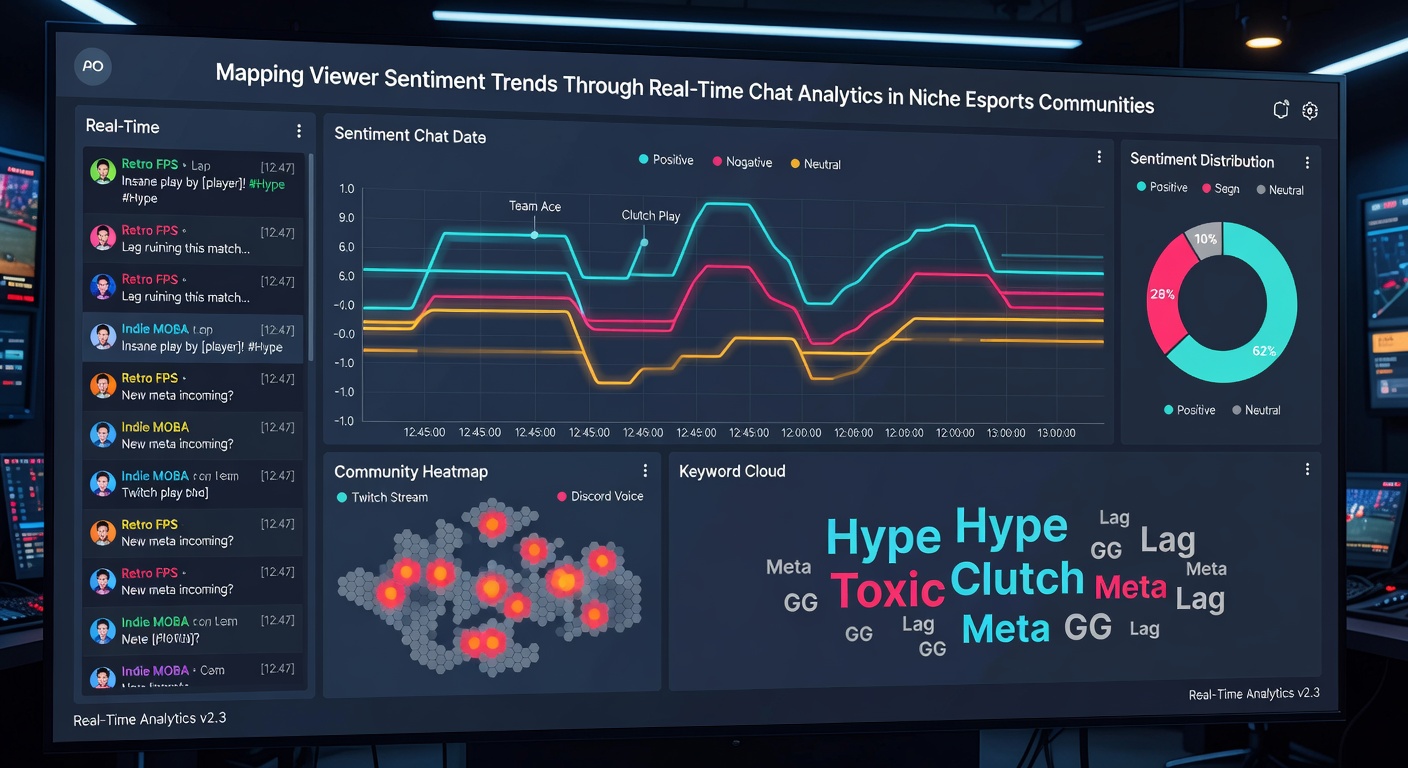
What's interesting is how regional differences appear in the data, with North American Rocket League groups showing quicker swings toward celebration language after goals compared to more measured responses documented in Australian server logs. Teams running these analytics often cross-reference findings against external benchmarks such as those published by the Canadian Centre for Gaming Research to validate their models against broader industry datasets.
Practical Applications for Organizers and Broadcasters
Event producers use sentiment maps to decide when to insert intermission content or switch to player interviews that address emerging chat concerns. One documented workflow involves routing flagged negative clusters to moderation bots that surface common complaints for immediate review, while positive clusters trigger automated highlight reels shared across social channels. Industry reports indicate that such responsive tactics correlate with longer average watch times in niche events where traditional marketing budgets remain limited. Analysts further combine chat sentiment with concurrent viewer telemetry to identify content segments that maintain engagement even during slower portions of long tournaments.
Technical and Ethical Considerations
Implementing these systems requires careful handling of user data under privacy frameworks that differ by jurisdiction, prompting many organizers to anonymize logs before analysis begins. Processing speed remains critical because delays beyond a few seconds render insights less actionable during fast-paced matches. Developers address this through edge computing setups that perform initial classification close to the chat servers before aggregating results centrally. Research from institutions across multiple continents continues to refine multilingual support so that communities spanning several languages receive equally accurate trend detection without manual translation layers.
Conclusion
Real-time chat analytics now form an established component of operations within niche esports ecosystems, delivering granular visibility into audience emotional trajectories that complements traditional metrics. Continued refinement of classification models alongside improved integration with broadcast tools points toward wider adoption across additional game titles and community sizes. Those managing events gain the capacity to respond dynamically while researchers accumulate longitudinal datasets that illuminate how digital spectatorship evolves in specialized competitive environments.