Console Competitors Develop Specialized Production Abilities for Broadcasting Support Roles
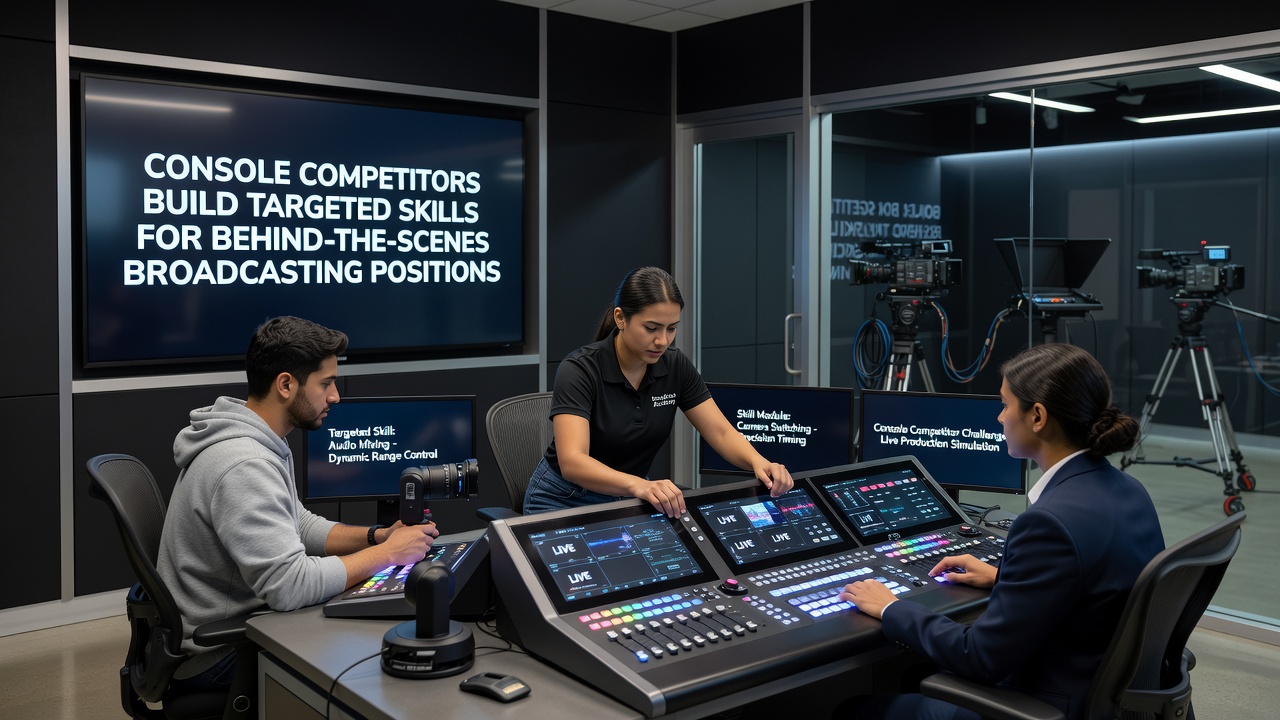
Console competitors often shift focus from on-screen performance to behind-the-scenes broadcasting positions where technical precision and coordination matter most, and this transition draws on skills honed during competitive play on platforms like PlayStation and Xbox. Data from industry reports indicate that participants in organized console tournaments build familiarity with timing, communication, and equipment management that transfer directly to production tasks such as audio mixing, video switching, and live coordination.
Those who study career pathways note that console-based athletes frequently enroll in workshops covering signal routing and multi-camera setups, while organizations track rising enrollment in certification programs that emphasize non-camera contributions. Research conducted by academic institutions shows measurable gains in workflow efficiency when former competitors apply their game-day routines to broadcast control rooms.
Core Technical Competencies Targeted by Console Athletes
Participants concentrate on mastering capture hardware interfaces that connect consoles to professional encoding systems, and they practice latency management techniques that keep feeds synchronized during extended events. Observers note how familiarity with controller inputs helps these individuals anticipate player actions, which proves useful when directing replays or cueing graphics overlays in real time.
Training modules frequently incorporate sessions on troubleshooting network stability, a skill refined through years of online matchmaking, and they extend into areas such as configuring capture cards alongside broadcast software suites. According to figures released by the Entertainment Software Association, console gaming communities represent a growing segment of applicants seeking production credentials in media fields.
Training Pathways and Certification Options
Structured programs run by trade groups and universities provide modules on live production protocols that align with console tournament schedules, allowing competitors to attend sessions during off-seasons. In July 2026 several regional academies plan to expand offerings that include remote labs where students simulate control-room decisions using archived match footage from major console leagues.
Analysts observe that completion rates climb when curricula incorporate case studies drawn from actual esports productions, and participants report quicker mastery of tasks like running character generators or managing commentator audio levels. External partnerships with hardware vendors supply equipment loans that let trainees replicate studio conditions without significant upfront costs.
Industry Data on Career Transitions
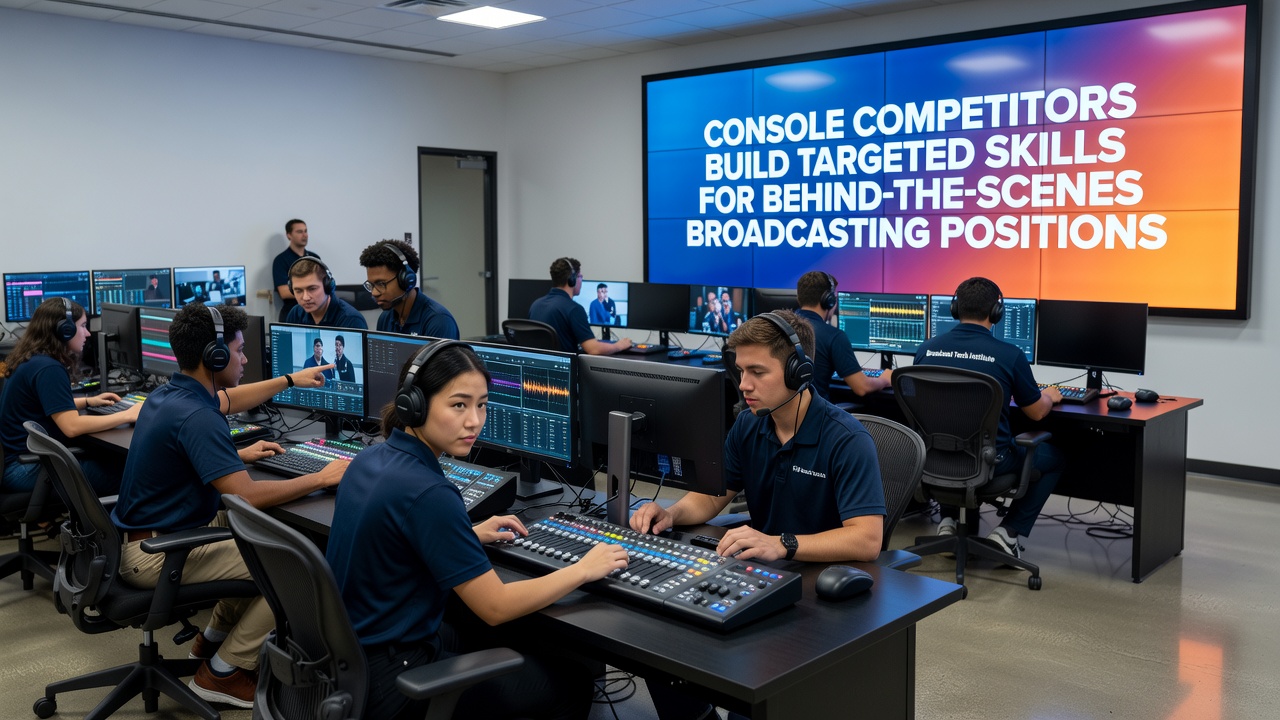
Surveys compiled by the Interactive Games and Entertainment Association in Australia reveal that roughly one in five console tournament participants explore broadcasting support roles within three years of active competition. These numbers align with enrollment trends at Canadian community colleges that offer diplomas in media production tailored to gaming environments.
Recruiters at broadcast firms note preferences for candidates who demonstrate console-specific troubleshooting experience, since such backgrounds reduce onboarding time for tasks involving proprietary capture devices. Evidence from longitudinal studies conducted at European research centers indicates sustained employment growth in these support positions as live events scale in frequency.
Skill Application in Live Production Environments
Former competitors apply split-second decision-making developed in ranked matches to roles that require rapid adjustments during unexpected technical interruptions, and they often excel at coordinating between on-site staff and remote talent. Production leads report that individuals with console backgrounds adapt swiftly to protocols for handling multiple input sources without introducing delays.
Workshops emphasize documentation practices that mirror post-match reviews, turning routine logs into actionable insights for future broadcasts. This approach reduces repeat errors and supports consistent output quality across weekly programming blocks.
Conclusion
Console competitors continue to channel competitive experience into targeted production abilities that support broadcasting operations, with training programs and industry metrics confirming steady progress in this area. As events expand through 2026, structured pathways help translate in-game coordination into reliable behind-the-scenes contributions.