Component Configurations for Integrating Educational Broadcasts into Esports Live Streams
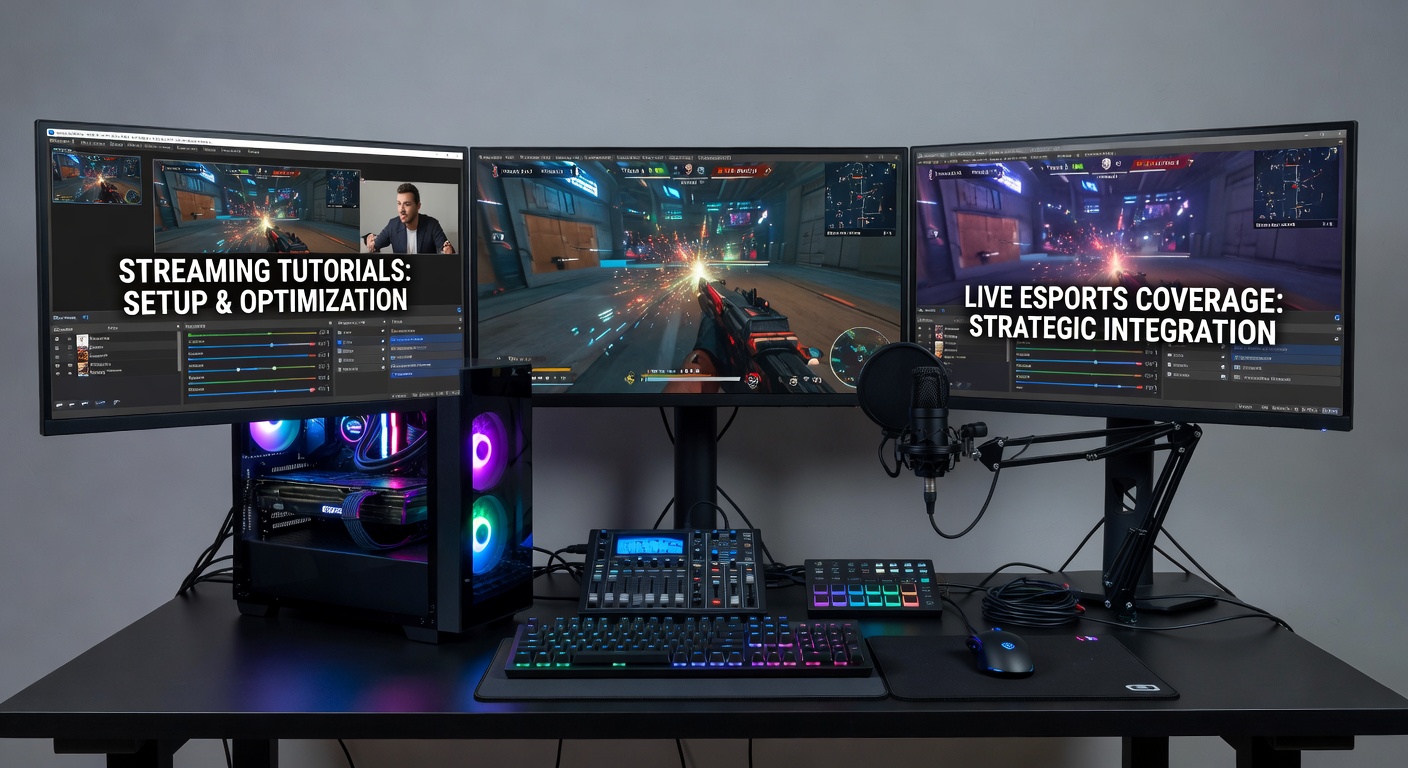
Hardware decisions shape how creators blend tutorial content with live esports events, allowing simultaneous encoding, gameplay rendering, and multi-source switching without latency spikes or dropped frames. Data from industry reports shows that configurations using dedicated encoding chips paired with high-core processors maintain stable 1080p60 streams alongside 4K game captures during peak tournament hours.
Processor and Graphics Synergies
Modern esports coverage demands CPUs with strong multi-thread performance while streaming tutorials require consistent encoding headroom. Processors equipped with 16 or more cores handle simultaneous OBS sessions and game engines effectively, according to benchmarks released by hardware manufacturers in early 2025. Graphics cards featuring dedicated NVENC or equivalent media engines free up the main processor for real-time analysis overlays common in competitive broadcasts.
Those who manage hybrid productions often pair Intel Core Ultra series chips with NVIDIA RTX 40-series cards, creating pipelines where AI-assisted upscaling runs in parallel with tutorial screen captures. This setup proves reliable when events span multiple time zones and require constant feed adjustments.
Connectivity and Expansion Options
Thunderbolt 5 ports and PCIe 5.0 lanes support rapid data transfer between capture devices and primary workstations. Boards with multiple 10GbE Ethernet controllers reduce packet loss when routing tutorial footage into live esports overlays. Observers note that systems using these interfaces sustain uninterrupted 4K input from multiple cameras during May 2026 championship weekends where viewer counts frequently exceed previous records.
Expansion cards with additional HDMI 2.1 inputs allow seamless insertion of pre-recorded tutorial segments without interrupting the main broadcast. Research from the Entertainment Software Association indicates that productions adopting such modular connectivity report fewer technical interruptions compared to legacy USB-based solutions.
Memory configurations exceeding 64GB DDR5 provide buffer space for simultaneous scene collections and instant replay buffers. Storage arrays built around NVMe drives in RAID 0 deliver the sequential read speeds needed for loading high-resolution assets mid-stream.
Network and Capture Integration
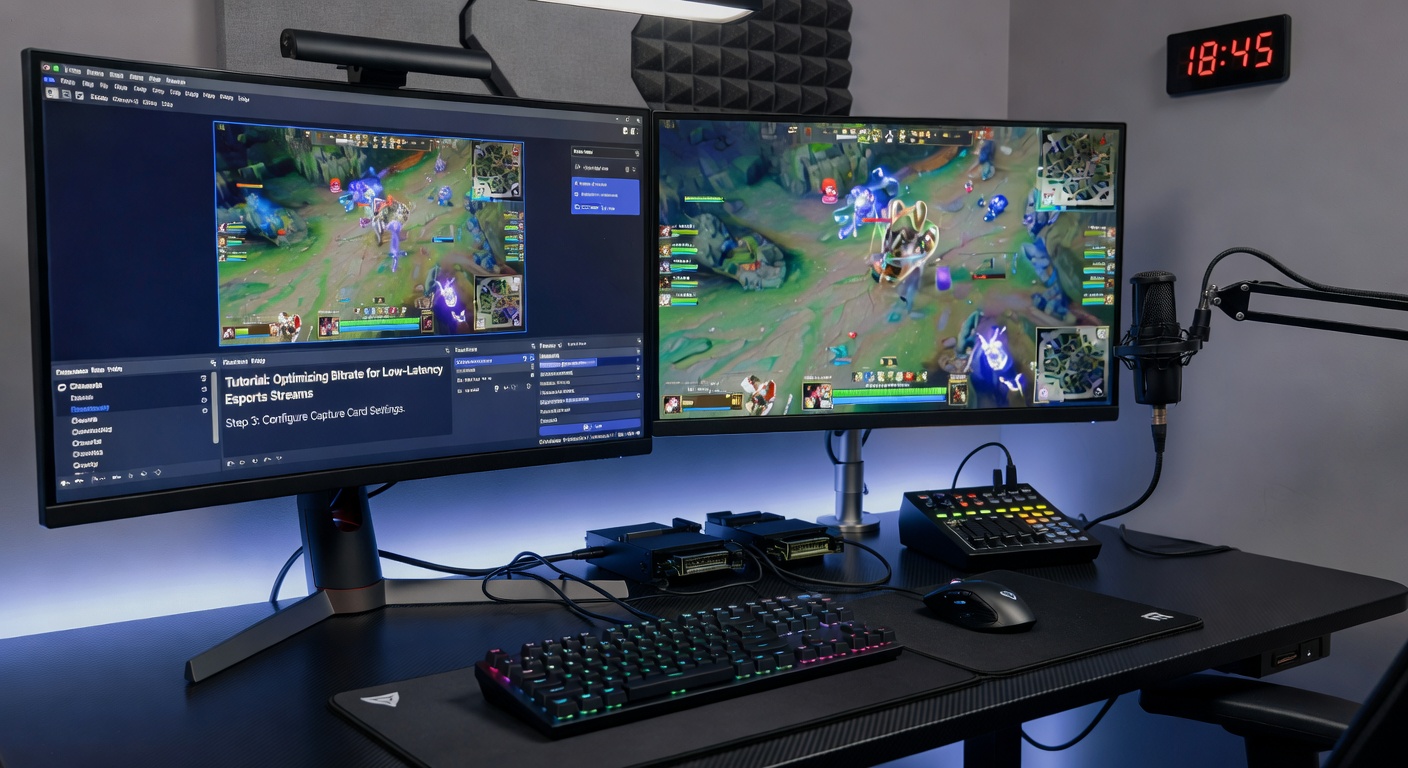
Network interface cards supporting Wi-Fi 7 standards maintain stable uplinks when primary Ethernet lines experience congestion during large-scale events. Capture solutions such as 4K60 HDR cards with low-latency drivers integrate directly into software like vMix or OBS, permitting tutorial windows to appear alongside player statistics without manual intervention.
Figures from a 2025 study conducted at the University of Waterloo reveal that teams utilizing dual-NIC motherboards achieve upload consistency rates above 99 percent when merging educational segments with competitive matches. External audio interfaces with multiple XLR inputs further support layered commentary tracks common in both tutorial and esports formats.
Power and Cooling Considerations
Power supplies rated at 1000W or higher with 80 Plus Titanium certification deliver clean power to systems running continuous dual workloads. Liquid cooling loops sized for 360mm radiators keep component temperatures within safe ranges during extended sessions that combine live gameplay with instructional breakdowns.
Those overseeing tournament infrastructure report that redundant PSU setups prevent downtime when integrating tutorial feeds into ongoing esports coverage. Data centers hosting such productions increasingly specify these components to meet reliability benchmarks established by international gaming federations.
Conclusion
Strategic selections across processors, connectivity, memory, and networking hardware create stable environments where streaming tutorials operate alongside live esports broadcasts. Configurations documented in 2026 production guides emphasize modular designs that scale with growing event complexity while preserving broadcast quality across varied hardware platforms.