Audience Signals in Motion: Streamers Refining Broadcast Choices Through Live Chat Metrics
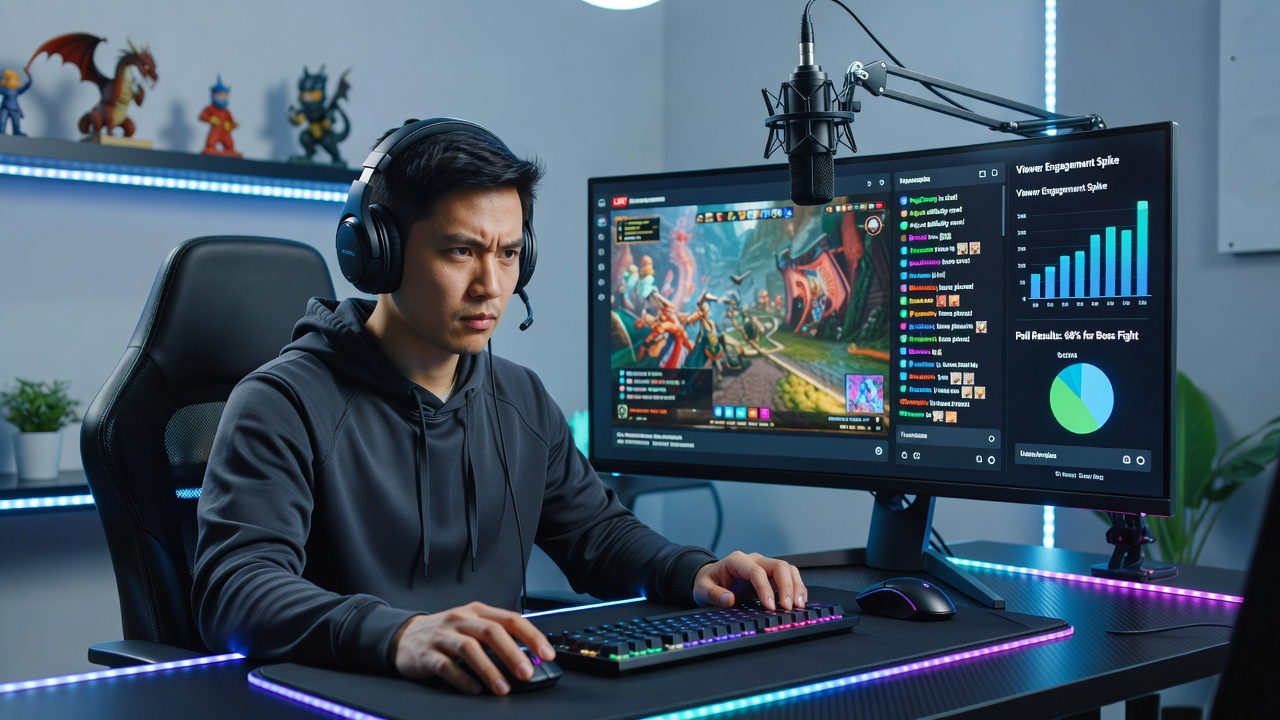
Streamers have integrated real-time chat data into their decision-making processes for years, yet the methods continue to evolve with new analytics platforms and API integrations. Platforms such as Twitch and YouTube provide built-in tools that aggregate viewer messages, emotes, and sentiment indicators, allowing broadcasters to monitor audience reactions without pausing the stream. Data shows that these systems process thousands of messages per minute during peak hours, delivering summaries on topics that generate the most engagement.
Core Mechanisms for Chat Data Capture
Chat aggregation begins with keyword detection scripts that flag recurring terms, questions, or commands from viewers. These scripts often connect directly to third-party services like StreamElements or Nightbot, which log patterns and trigger alerts for the streamer. Observers note that many broadcasters maintain separate dashboards displaying message volume, emote frequency, and poll results alongside their game or content feed. In July 2026, updates to Twitch's API expanded access to timestamped chat logs, enabling more precise correlation between viewer input and on-screen events.
Adjustment Categories Driven by Chat Input
Broadcasters respond to chat signals in several consistent ways. Game selection shifts occur when multiple viewers request specific titles or express fatigue with current gameplay, prompting an immediate switch if the streamer has prepared alternatives. Topic pivots happen during talk segments, where spikes in questions about a particular subject lead to extended discussion on that area. Technical changes, such as audio level tweaks or overlay modifications, follow direct viewer complaints about sound quality or visual clutter. Research from the University of Melbourne indicates that streams incorporating at least three chat-driven adjustments per hour retain viewers for longer average durations compared to those relying solely on pre-planned segments.
One documented case involved a variety streamer who monitored rising mentions of a new indie title and transitioned to it mid-broadcast, resulting in a measurable uptick in concurrent viewers tracked through platform analytics. Another example shows a competitive player pausing ranked matches after chat volume indicated preference for casual lobbies, then resuming competitive play once engagement metrics stabilized.
Technical Integration and Workflow Patterns
Integration relies on modular software that pulls data from chat APIs and displays it through customizable widgets. Streamers configure these systems to highlight positive sentiment clusters or repeated requests while filtering spam. Many maintain backup protocols that allow quick reversion if an adjustment fails to sustain interest. External links to industry reports, such as those published by the Canadian Heritage digital content analysis, detail how regional broadcasters adapt similar techniques across different time zones and audience demographics.
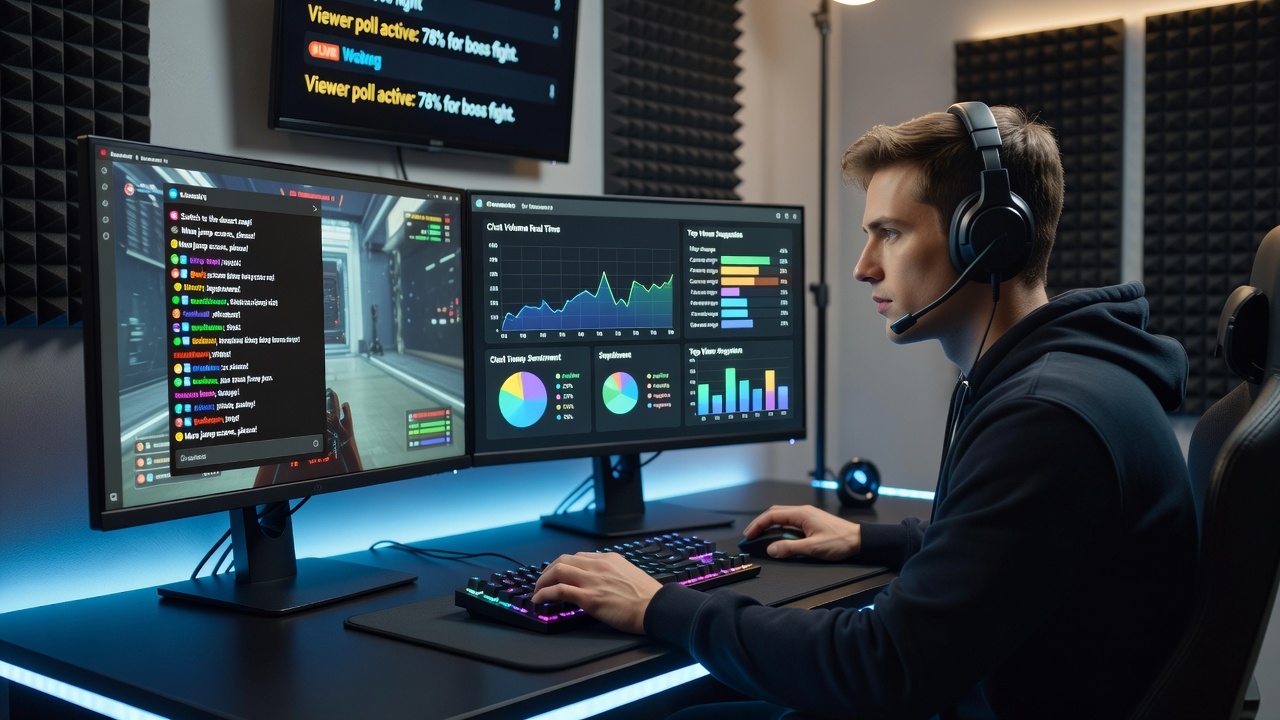
Workflows typically follow a cycle of observation, decision, implementation, and review. During observation, the streamer scans summarized data rather than reading every message. Decision points arise when thresholds are met, such as a topic mentioned in over 15 percent of recent messages. Implementation occurs through hotkeys or quick commands that alter scenes, playlists, or camera angles. Review happens post-stream through exported logs that compare pre- and post-adjustment metrics. Data from the European Gaming Federation shows adoption rates of these full-cycle systems increased by 22 percent among mid-tier streamers between 2024 and 2026.
Measurement of Outcomes and Platform Variations
Success metrics focus on retention graphs, concurrent viewer counts, and follow rates rather than subjective satisfaction scores. Platforms supply native analytics that timestamp viewer drop-offs against chat events, giving broadcasters objective feedback on adjustment timing. YouTube streams often emphasize superchat volume as an additional signal, whereas Twitch prioritizes raid and host notifications tied to chat momentum. Analysts at the Australian Interactive Media Association have tracked how cross-platform streamers synchronize these signals across services to maintain consistent audience flow.
Regional differences appear in moderation approaches, with some areas requiring additional filters for local slang or regulatory terms. Yet the underlying data pipelines remain comparable, relying on cloud-based processing to handle scale. Those who studied platform updates in mid-2026 observed that reduced latency in chat APIs allowed adjustments within 30 seconds of message surges, tightening the feedback loop further.
Conclusion
Viewer-driven adjustments represent a data-supported practice that continues to mature alongside platform tooling and analytical capabilities. Streamers who embed chat metrics into their workflows demonstrate measurable responses in audience behavior, documented across multiple studies and industry reports. The approach relies on established technical connections between chat systems and broadcast software, producing repeatable patterns that broadcasters refine over successive sessions. As APIs and dashboards advance, the precision of these real-time decisions is expected to increase based on current trajectories observed through 2026.