Analysts Deploy Modular Scripting to Tailor Alerts Across Esports Tournaments
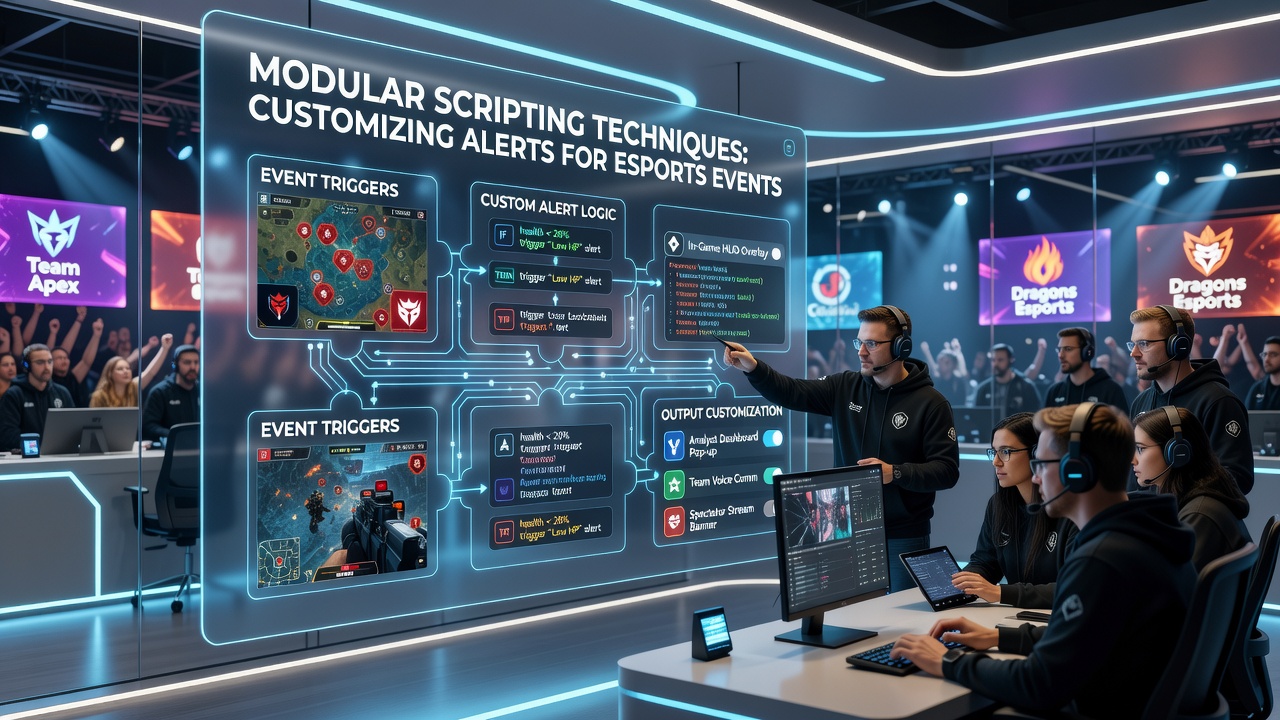
Analysts rely on modular scripting techniques that break alert systems into reusable components so teams can adapt notifications quickly across different esports titles and tournament formats, and these methods allow rapid swaps between games like League of Legends and Counter-Strike without rebuilding entire pipelines from scratch. Data shows that such approaches reduce setup time during live events by connecting independent modules for triggers, conditions, and output channels.
Core Principles Behind Modular Alert Scripting
Modular designs separate alert logic into distinct functions that handle specific tasks such as score detection, player statistics pulls, and visual rendering, while each function accepts parameters that analysts adjust on the fly for regional leagues or international majors. Observers note that this separation lets teams reuse a base scoring module across multiple titles and only swap game-specific API connectors when moving from one event to another.
Scripting languages commonly employed include Python for its extensive library support and Lua for its lightweight integration with streaming software, and analysts often combine both so that core logic runs in Python while real-time hooks operate through Lua extensions. Research from European gaming institutions indicates that hybrid setups improve stability when handling high-volume data streams during peak tournament hours.
Adaptation Across Different Esports Titles
Customizing alerts for fighting games requires modules focused on round timers and character health thresholds whereas MOBAs demand additional layers for objective timers and team fight detection, yet the same modular framework accommodates both by loading appropriate detection scripts at runtime. Analysts working major circuits report that this flexibility supports same-day transitions between titles without downtime.
Integration With Tournament Data Feeds
Scripts connect to official APIs and third-party data services through standardized interfaces that normalize incoming events into a common format, and this normalization step allows a single alert activation module to process inputs from sources as varied as Riot Games servers and ESL match trackers. Figures from industry reports reveal that normalized feeds cut error rates during cross-title events by significant margins.
What's interesting is how conditional logic modules evaluate multiple data points before firing notifications, for example combining kill counts with economic indicators in real time, and these conditions are stored in configuration files that production crews update between matches. Such practices keep alert timing consistent even when underlying game rules differ.

Workflow Practices Observed in Professional Environments
Teams maintain version-controlled repositories of alert modules so changes tested in practice sessions transfer directly to live productions, and analysts frequently reference case studies where incremental updates prevented broadcast interruptions during high-stakes series. According to data compiled by North American esports associations, version control adoption has grown steadily among production crews since 2023.
Hotkey-driven activation layers sit on top of the modular core and let operators trigger or suppress alerts manually when automated conditions fall short, while these layers remain decoupled so they function across any game-specific modules loaded at the time. The approach proves especially useful during unexpected rule variations that surface mid-tournament.
Scaling Techniques for Multi-Event Coverage
When covering simultaneous tournaments analysts replicate module sets across separate instances and route outputs through centralized dashboards, and this replication strategy supports coverage of regional qualifiers alongside main-stage events without resource conflicts. Studies from Australian research centers on broadcast systems highlight how containerized module deployments further streamline scaling.
Yet the same modular structure also accommodates smaller productions by allowing selective deactivation of resource-heavy components, so crews working mid-tier events can run leaner configurations while preserving core alert reliability. That flexibility explains why many organizations standardize on these frameworks rather than maintaining separate toolchains for each production scale.
Conclusion
Modular scripting has become the standard method analysts use to customize alerts because it delivers consistent performance across diverse esports environments while supporting quick adaptations to new titles and tournament structures, and continued refinement of these techniques aligns with expanding global schedules that include major competitions scheduled through June 2026. The approach rests on reusable components, normalized data interfaces, and flexible activation layers that together maintain broadcast quality under varying conditions.